
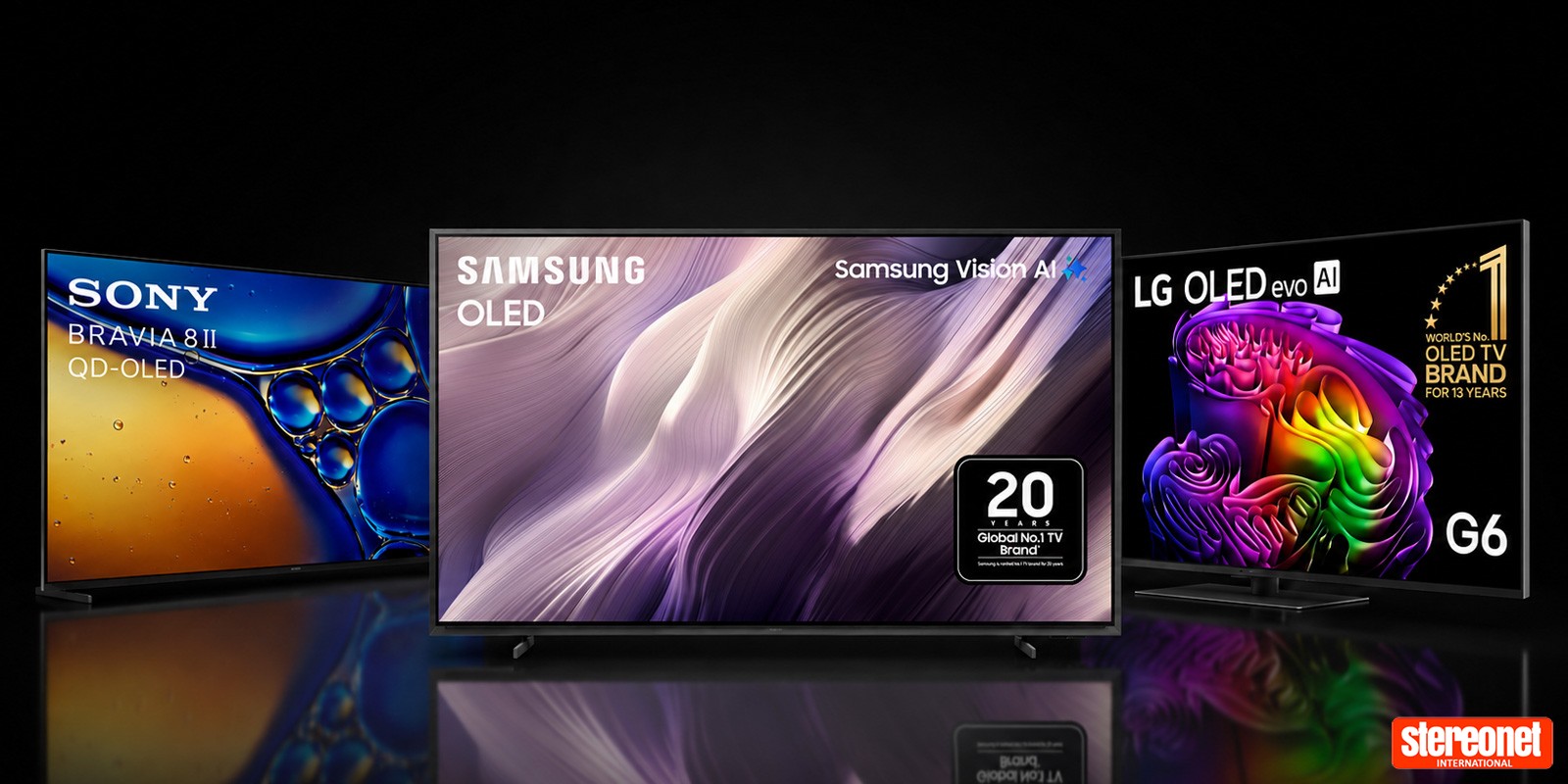
Samsung has ended Sony's seven-year winning streak in the OLED category at the 2026 Value Electronics TV Shootout, with its QN65S95H also named the event's overall 'King of TV'. Held at the retailer's Scarsdale, New York, showroom on 18 July, the event introduced a separate Micro RGB category, won by the Sony Bravia 9 II.
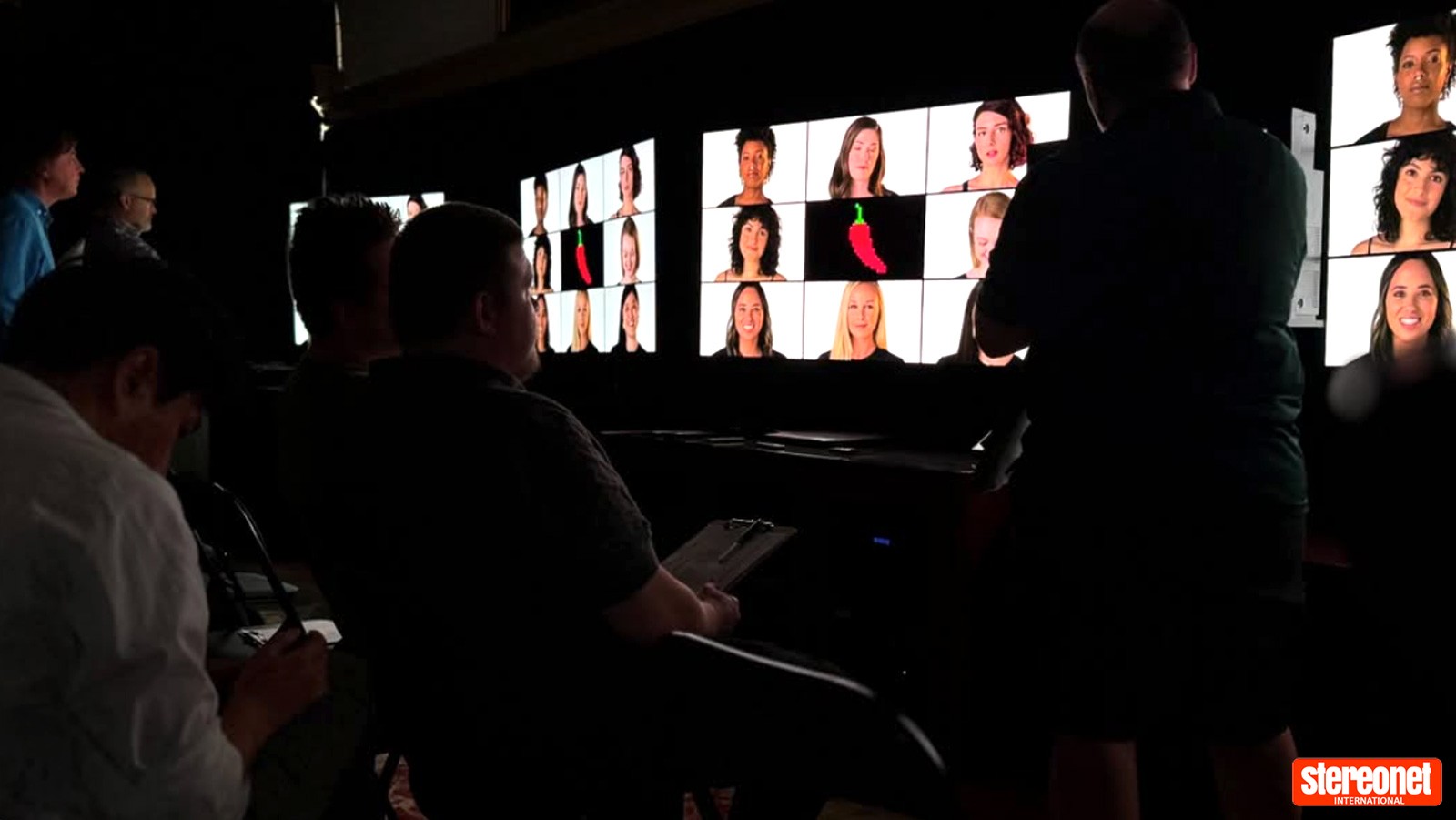
Image credit: Value Electronics / Mark Jessamy Photography
Value Electronics owner Robert Zohn divided the six contenders between two five-judge panels. The OLED group comprised the Samsung QN65S95H, Sony K65XR80M2 (Bravia 8 II) and LG OLED65G6WUA (G6). The Micro RGB group comprised the Sony K75XR90M2 (Bravia 9 II), Samsung MRN75R95H and LG 75MRGB95BUA.
All six televisions were compared with four Sony BVM-HX3110 mastering monitors—regarded as among the industry's benchmark displays for critical colour grading and mastering—priced at around US$40,000 each and calibrated for the event by ISF Level III calibrator DeWayne "D-Nice" Davis.
Judges included former Consumer Reports television engineer Claudio Ciacci, The Verge's Nilay Patel, eCoustics' Chris Boylan, Modulus Studios' Eric Masunaga, and display reviewers Cecil Meade and Teyvon Pollard.
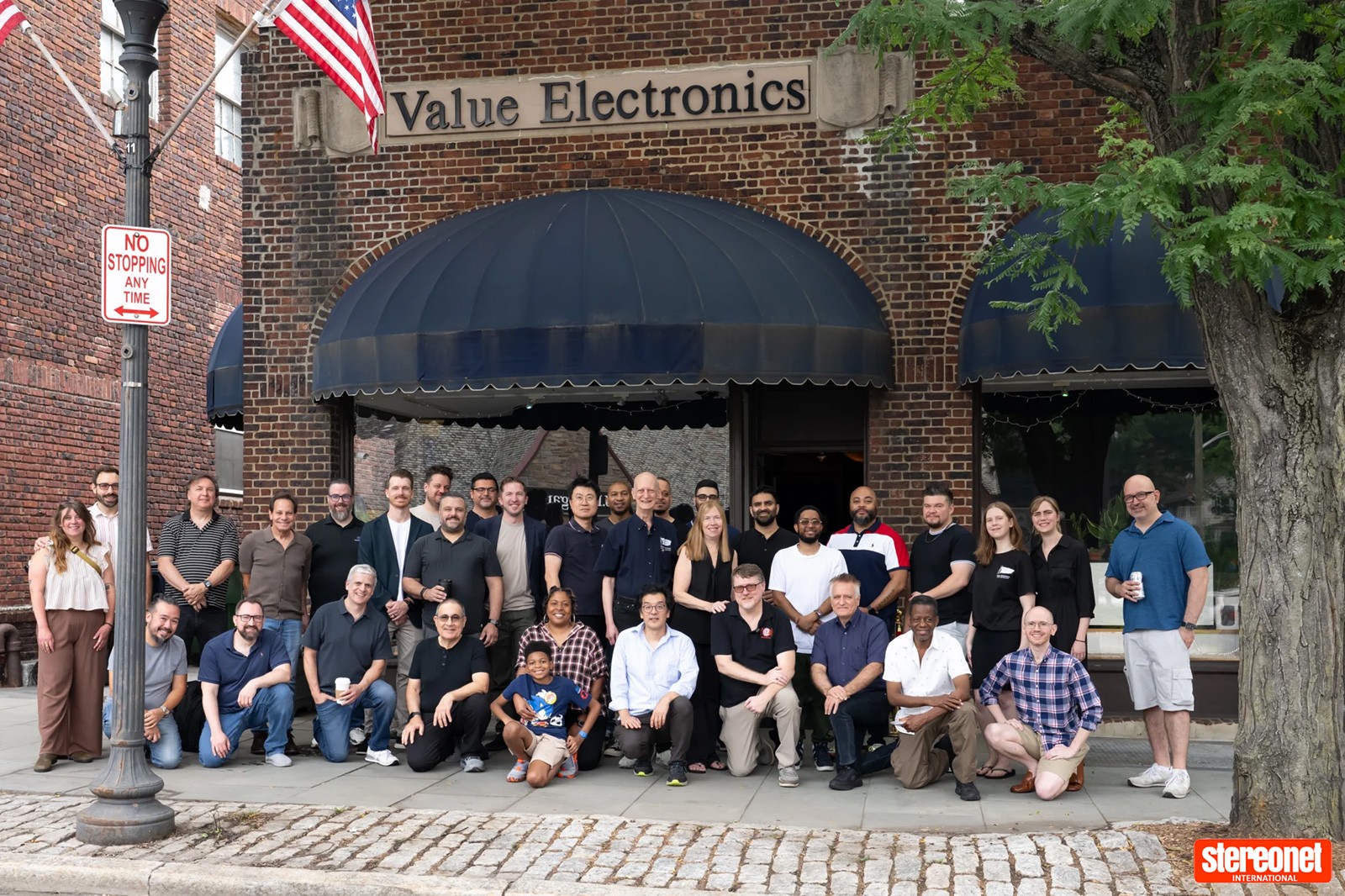
Image credit: Value Electronics 2026 TV Shootout
In the OLED category, the Samsung S95H scored 9.3 across combined SDR and HDR performance, ahead of the Sony Bravia 8 II at 8.0 and the LG G6 at 7.4, according to detailed scoring published by FlatpanelsHD. Samsung also led the HDR assessments. Forbes' John Archer noted that Samsung "got over the line quite comfortably this time round".
The Sony Bravia 9 II won the Micro RGB category with 8.1, followed by the Samsung R95H at 6.6 and the LG MRGB95B at 5.5. Because the two panels used different judging criteria, the OLED and Micro RGB scores are not directly comparable.
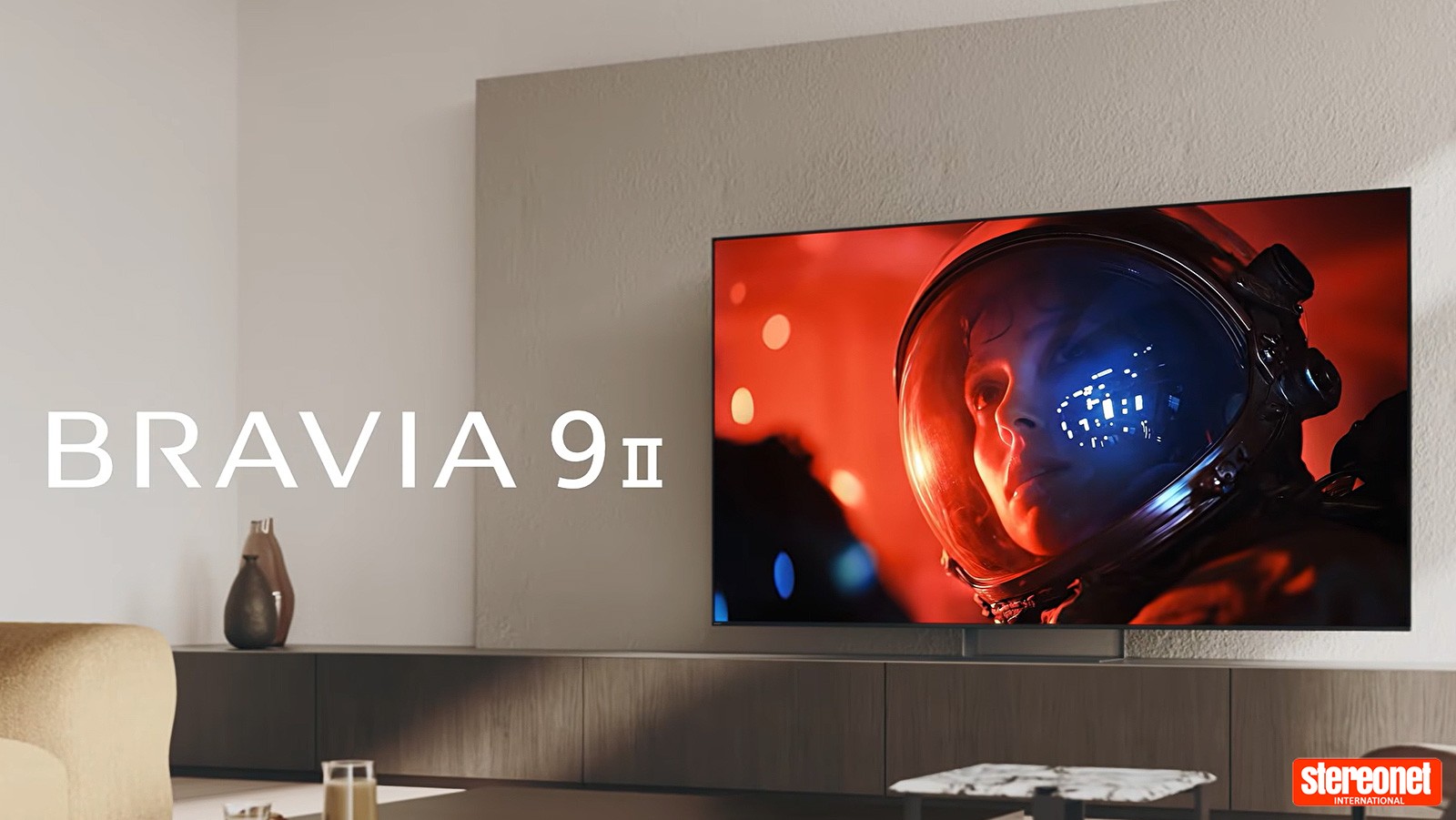
Sony's Bravia 9 II uses the company's True RGB system, which employs separate red, green and blue emitters rather than the hybrid backlight approaches used by Hisense, Samsung and TCL. The model entered the US market at US$3,599.99 for the 65-inch, with the forthcoming 115-inch version priced at US$30,999.99.
Judges scored each television on a 1–5 scale across shadow detail, linearity, low-luminance saturation, skin tones, clarity and motion handling. HDR evaluation also covered tone mapping and quantisation. Test signals were followed by material from 1917, The Batman, Nosferatu, Fantastic Beasts: The Crimes of Grindelwald, Mad Max: Fury Road and Speed Racer.

Hisense and TCL did not participate in this year's event, despite both companies offering 2026 RGB mini-LED flagships. Their respective Hisense UR9 and TCL X11L were therefore not included, leaving Sony, Samsung and LG as the three entrants in the Micro RGB category.
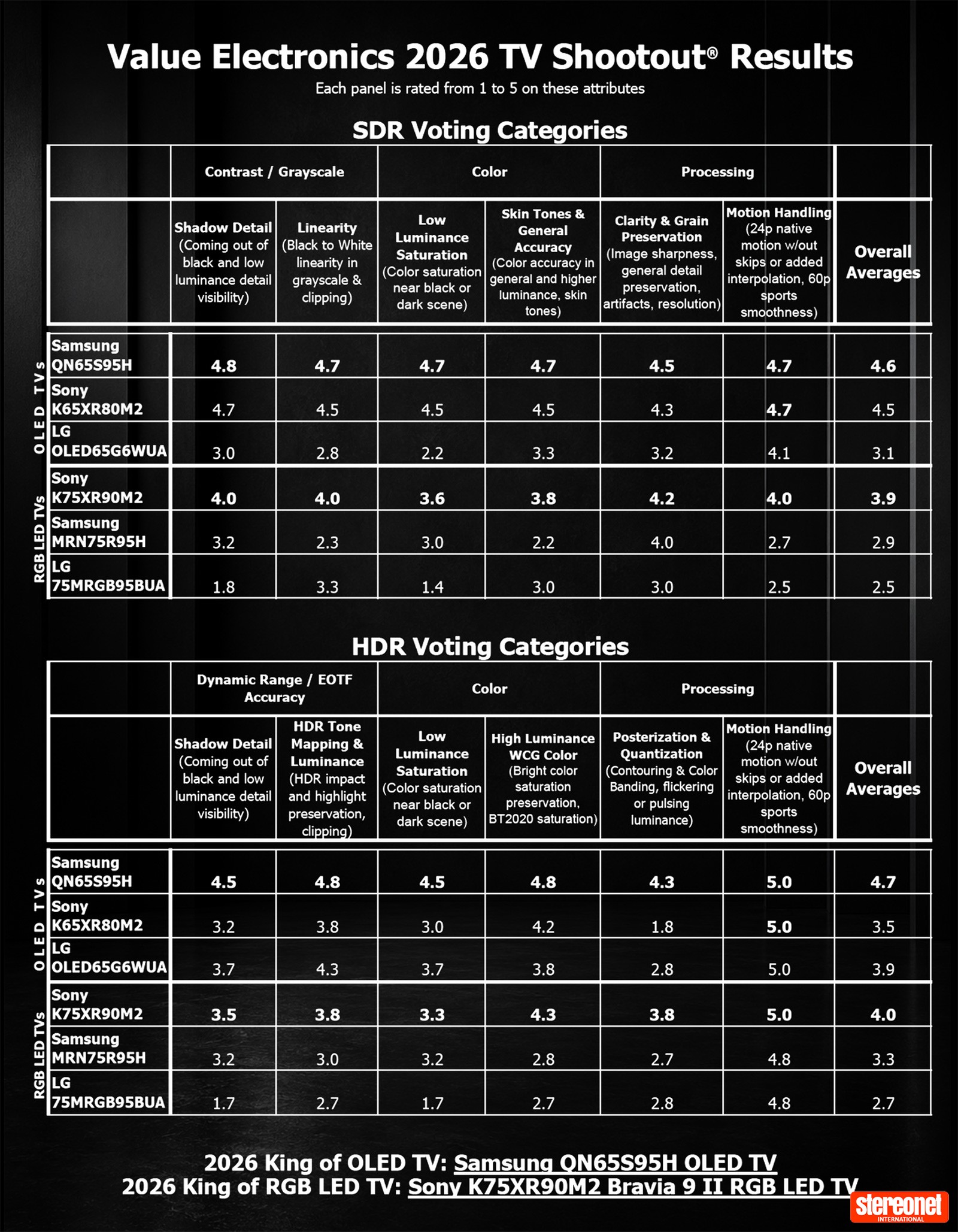
Results table courtesy of Value Electronics
Panasonic was also absent while the company restructures its global television business. StereoNET has previously covered the Skyworth-led European reorganisation, which continues to reshape Panasonic's international television operations.
FlatpanelsHD said the S95H's result had "put to rest the long-standing claim that OLED TVs are too dim for living rooms". The winning QD-OLED technology was developed by Samsung Display and is manufactured at the company's Asan production facility.

Value Electronics owner Robert Zohn
The decision to assess OLED and Micro RGB separately reflected both the event format and the different products involved. The three 65-inch OLED televisions and the three 75-inch RGB LCD models were evaluated in parallel by separate judging panels. TWICE reports that the organisers combined what had previously been separate OLED and LCD evaluation days into a single event to make participation easier for judges.
That distinction means the scores cannot be treated as a direct OLED-versus-Micro-RGB comparison. Although Samsung's S95H was subsequently named the overall winner on the strength of its considerably higher results, the event formally produced two category champions rather than determining which display technology was superior under identical judging conditions.
Even so, the introduction of a dedicated category demonstrates how quickly RGB-backlit LCD is entering the premium television conversation. As Value Electronics owner Robert Zohn observed:
The arrival of Micro RGB TVs marks one of the most intriguing developments in display technology in recent years.
StereoNET's Best TVs 2026 feature includes further coverage of the Samsung S95H and Sony Bravia 9 II, alongside the other leading flagship televisions available this year.
Join the Discussion
Gallery

Join the Discussion
What do you think? Head to the forums and share your thoughts with 100,000+ other community members.
Go to Forums