
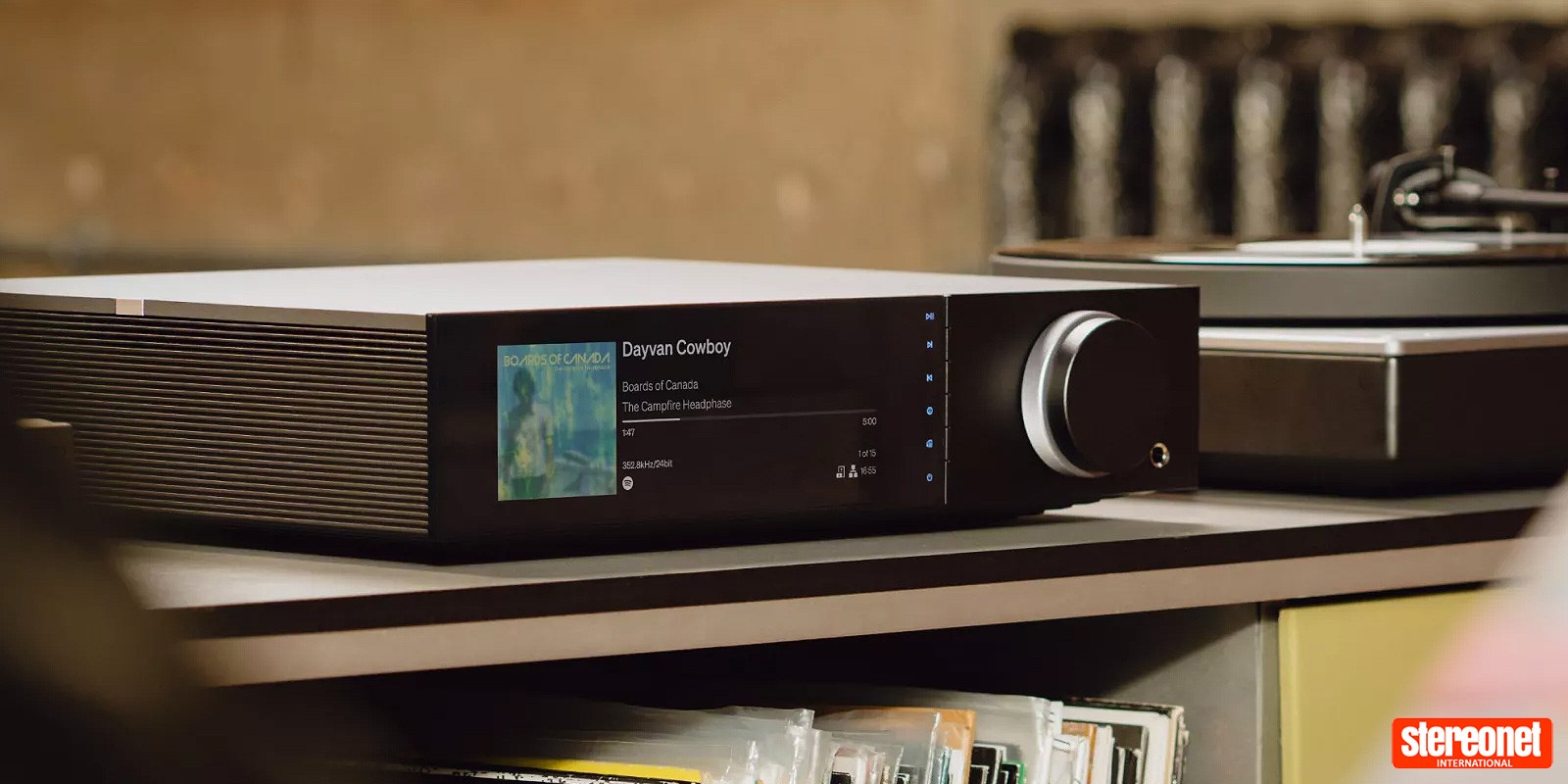
The new Evo 300 sits above the Evo 150 SE and brings a substantial jump in power, rated at 300W per channel into 8 ohms and 550W per channel into 4 ohms. That output comes from Hypex NCOREx Class D amplification, which Cambridge says gives the amplifier the scale, control and low-frequency authority needed to drive more demanding loudspeakers.
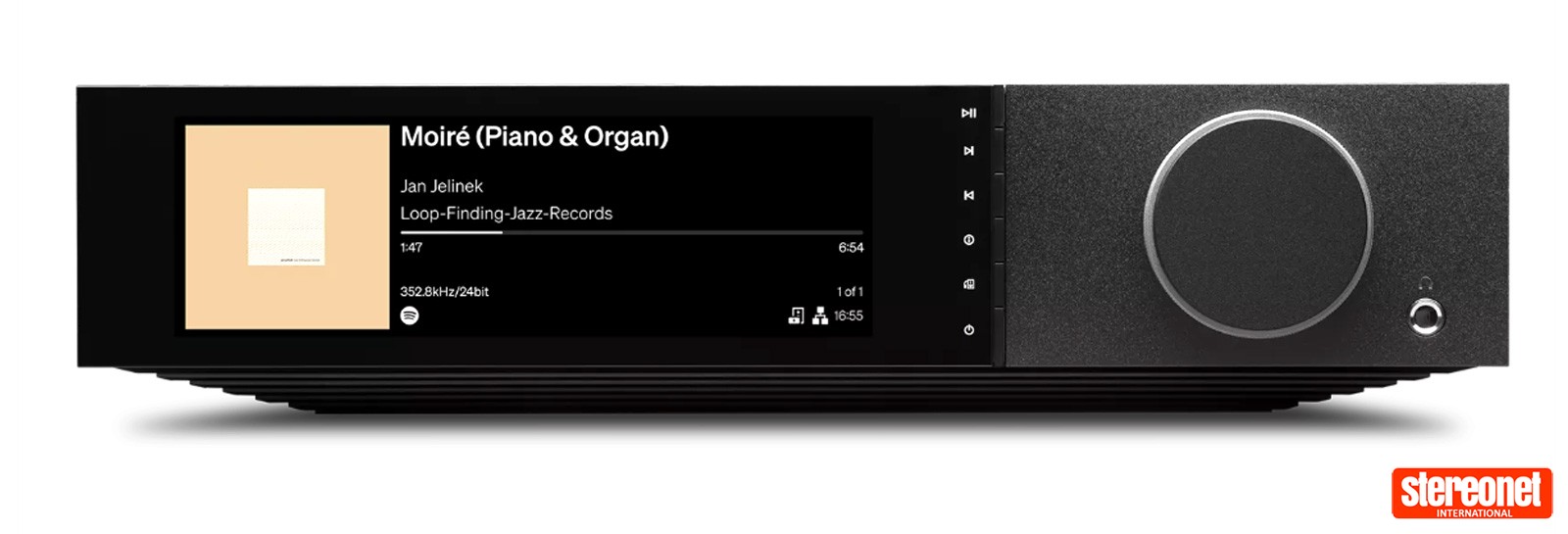
That matters because the Evo range has always walked an interesting line. It is sold as a just-add-speakers solution, complete with streaming, amplification, DAC, phono stage and TV connectivity in one chassis. Yet with the Evo 300, Cambridge appears to be pushing the format further into territory traditionally occupied by more conventional high-end integrated amplifiers and streaming separates.
StereoNET recently reviewed Cambridge Audio’s CXN100 SE streamer and found much to like in the company’s current StreamMagic platform, particularly its stability, clarity and ease of use. The Evo 300 effectively takes that same broader ecosystem and builds it into a more ambitious all-in-one amplifier, rather than asking listeners to add a separate amp downstream.
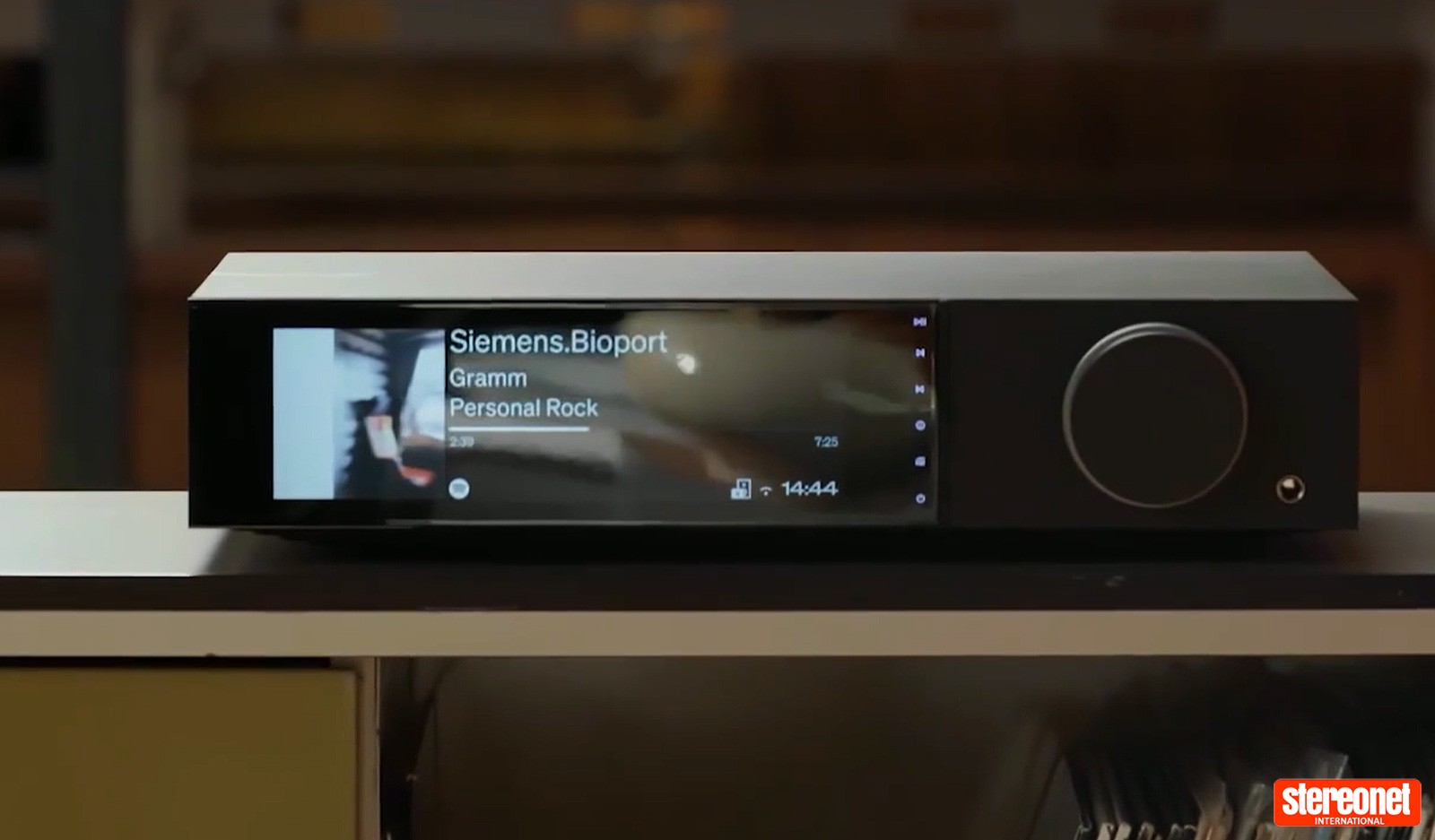
At the digital end, the Evo 300 uses an ESS Sabre ES9038Q2M DAC, supporting up to 32-bit/768kHz PCM and DSD512 via USB. Streaming is handled by Cambridge’s StreamMagic Gen 4 platform, with support for Spotify Connect, TIDAL Connect, Qobuz Connect, Deezer, Amazon Music, Internet Radio, UPnP, AirPlay 2, Google Cast and Roon.
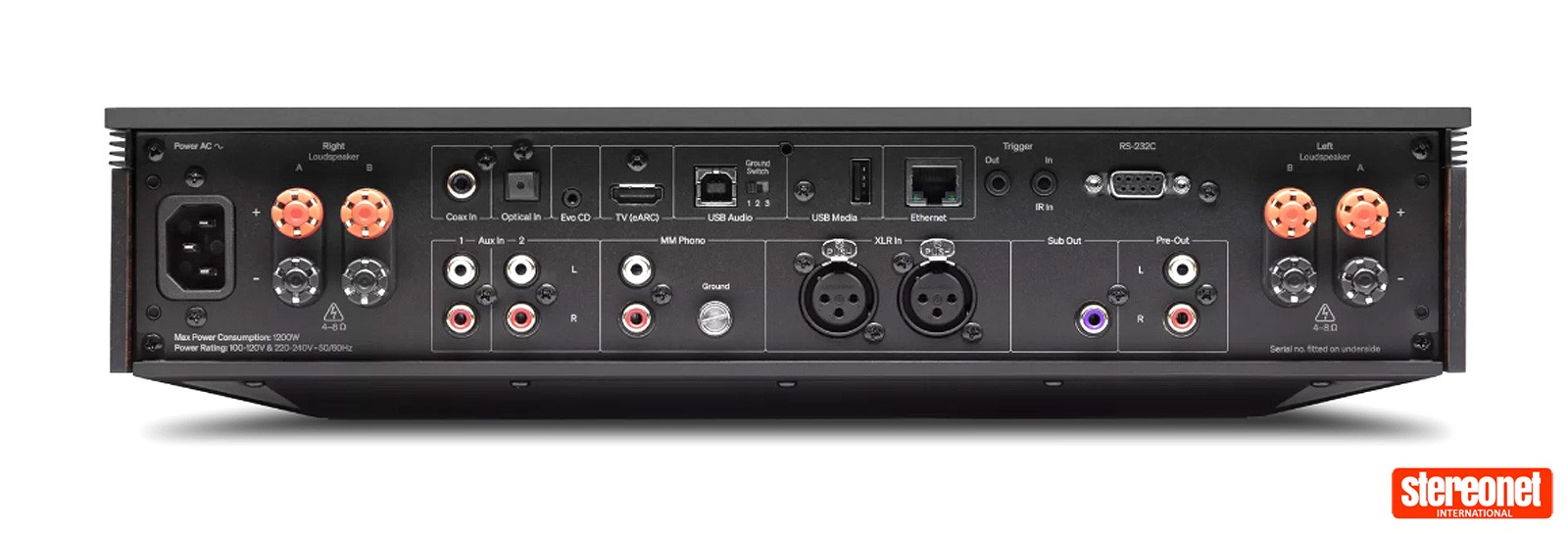
The connectivity list is deliberately broad. Alongside optical, coaxial and USB audio inputs, the Evo 300 includes HDMI eARC for TV sound, analogue RCA inputs, balanced XLR input, a built-in moving-magnet phono stage, Bluetooth 5.4 with aptX HD, speaker A/B outputs, a 6.35mm headphone socket, preamp output and subwoofer output.
Cambridge has also paid attention to the preamp stage, with a dual-mono architecture, balanced pre-amplifier and dedicated analogue volume control for left, right and subwoofer channels. The company says this approach is intended to preserve stereo focus, separation and low-level detail.

Bass management is handled through the StreamMagic app, allowing users to adjust subwoofer crossover, level and phase. That may not sound as romantic as “pure hi-fi”, but it is increasingly relevant as more listeners build systems around compact speakers, living-room-friendly layouts and hybrid music/TV use.
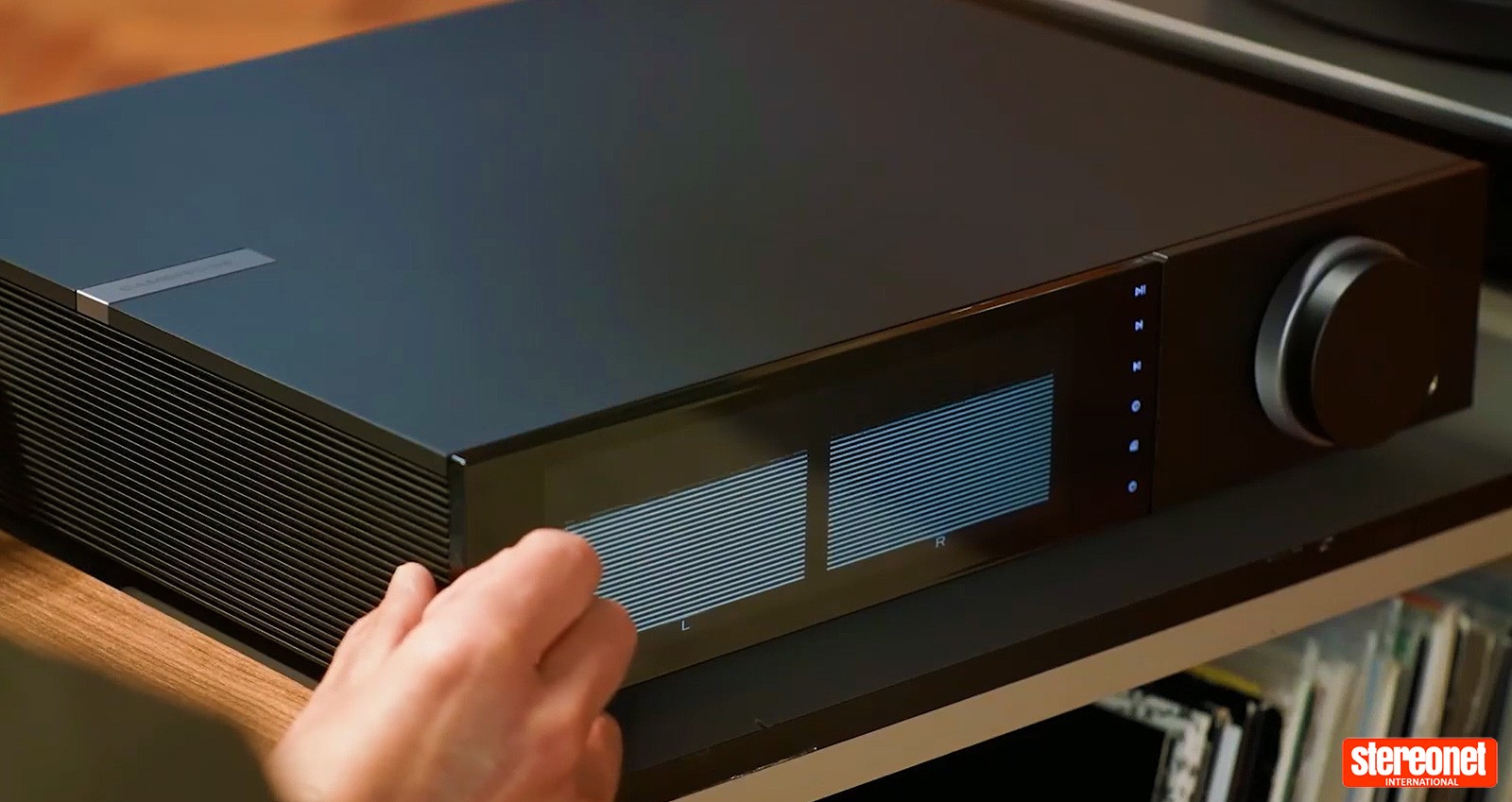
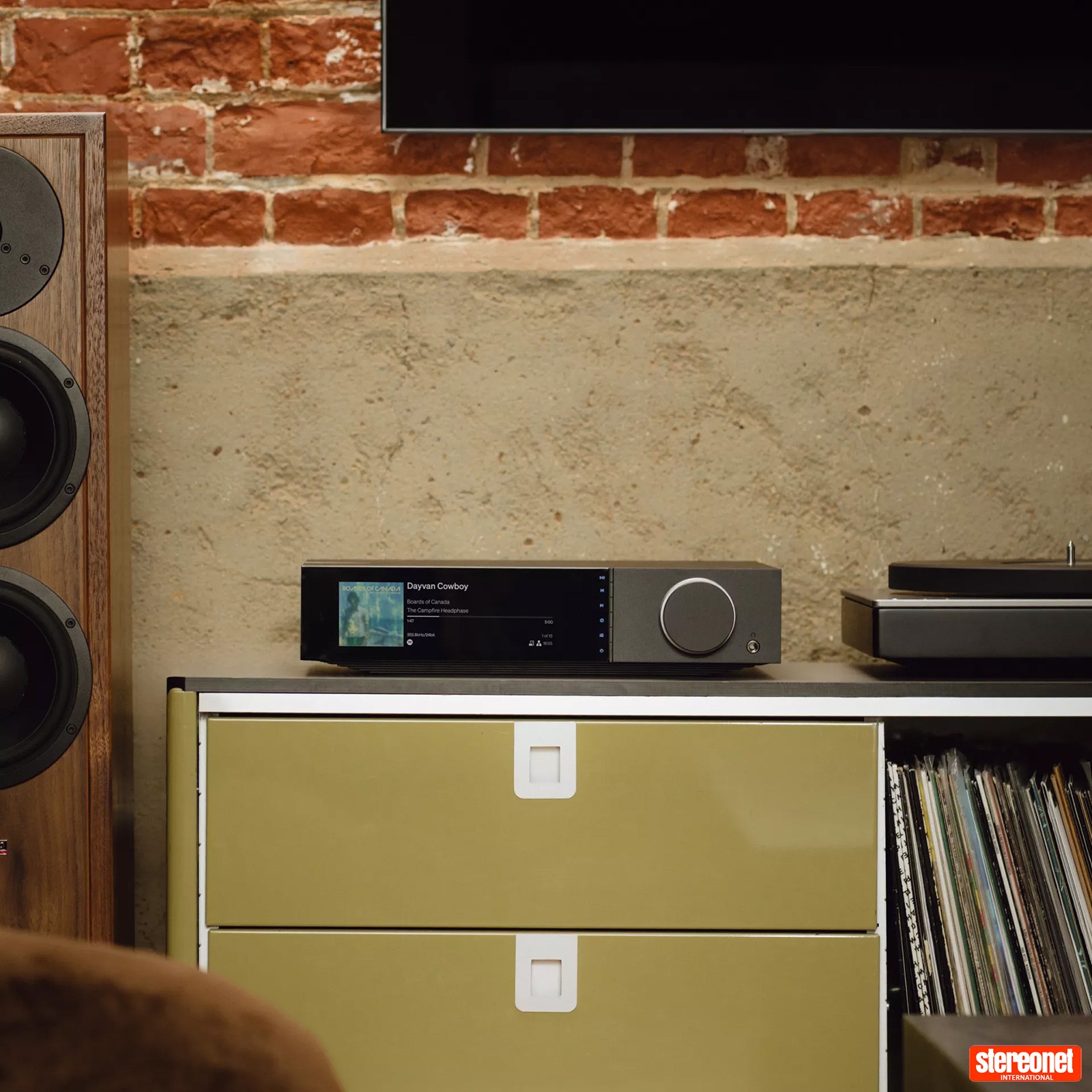
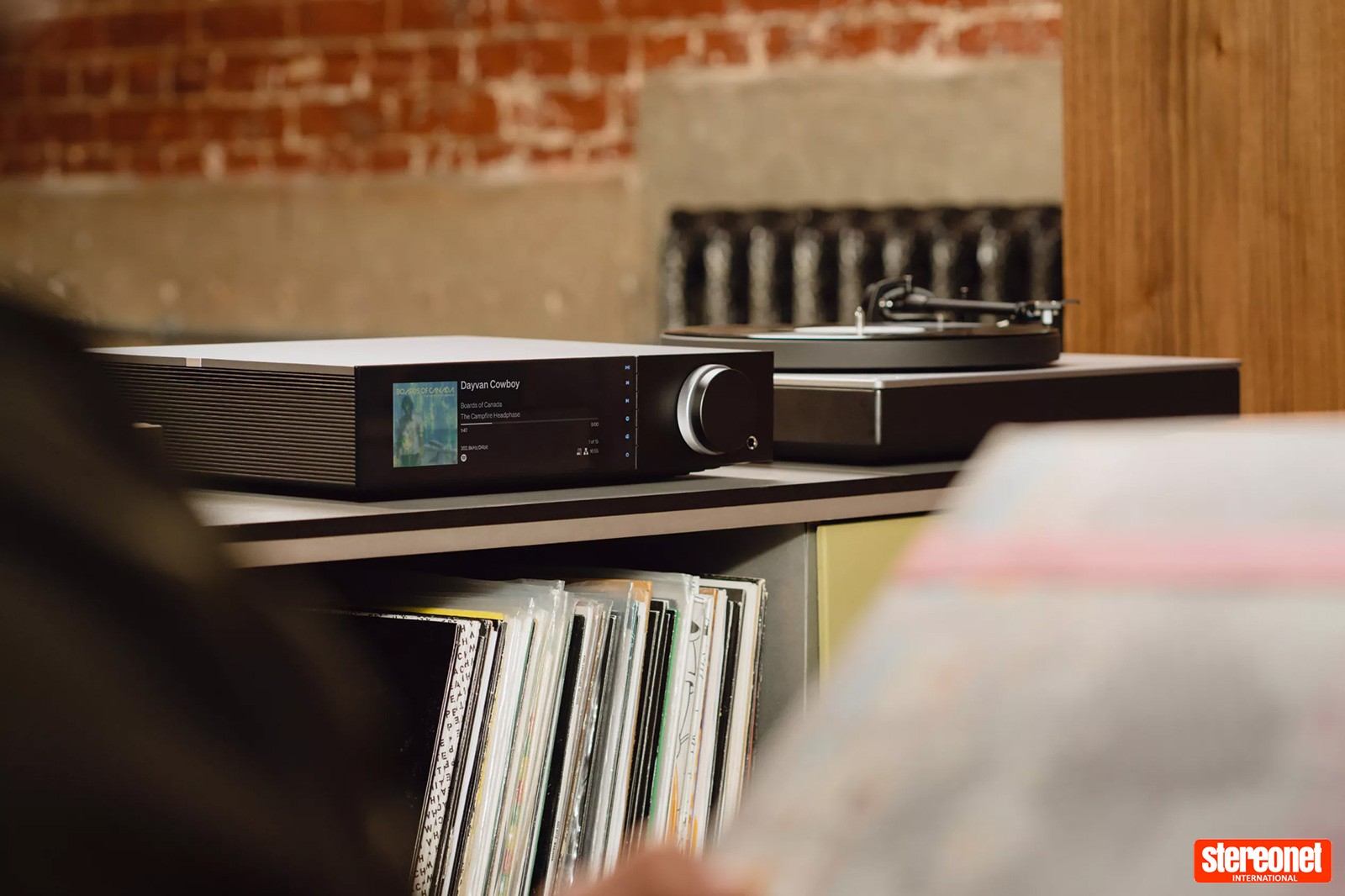
Visually, the Evo 300 stays close to the established Evo design language, with a large front display, central control dial and customisable side panels. Cambridge says users can choose real wood or more technical-style panels, helping the amplifier sit more comfortably in modern living spaces rather than looking like a conventional black box.
The Evo 300 arrives at a point where the streaming amplifier category is becoming far more competitive. Products in this space now need to do more than simply combine convenience and decent sound. They have to handle serious speakers, multiple sources, TV integration, vinyl replay and app-based control without making the system feel compromised.
In theory, the Evo 300 looks like Cambridge Audio’s most direct answer to that challenge so far. It keeps the convenience of the Evo concept, but adds the power and connectivity needed to make the all-in-one argument more convincing for listeners who might otherwise default to separates.
The Cambridge Audio Evo 300 is listed in the UK at £3,499, with international pricing and availability still to be confirmed.
For more information visit Cambridge Audio
Gallery

Posted in: Hi-Fi
Join the Discussion
What do you think? Head to the forums and share your thoughts with 100,000+ other community members.
Go to Forums