The launch follows closely behind recent updates across Apple’s in-ear lineup (most notably its latest AirPods developments), as the company continues to build out a more unified, software-led audio ecosystem rather than treating each product as a standalone release.
Announced today, AirPods Max 2 are built around Apple’s H2 chip, bringing a familiar set of features from the broader AirPods range into the over-ear category, alongside incremental but meaningful performance gains.

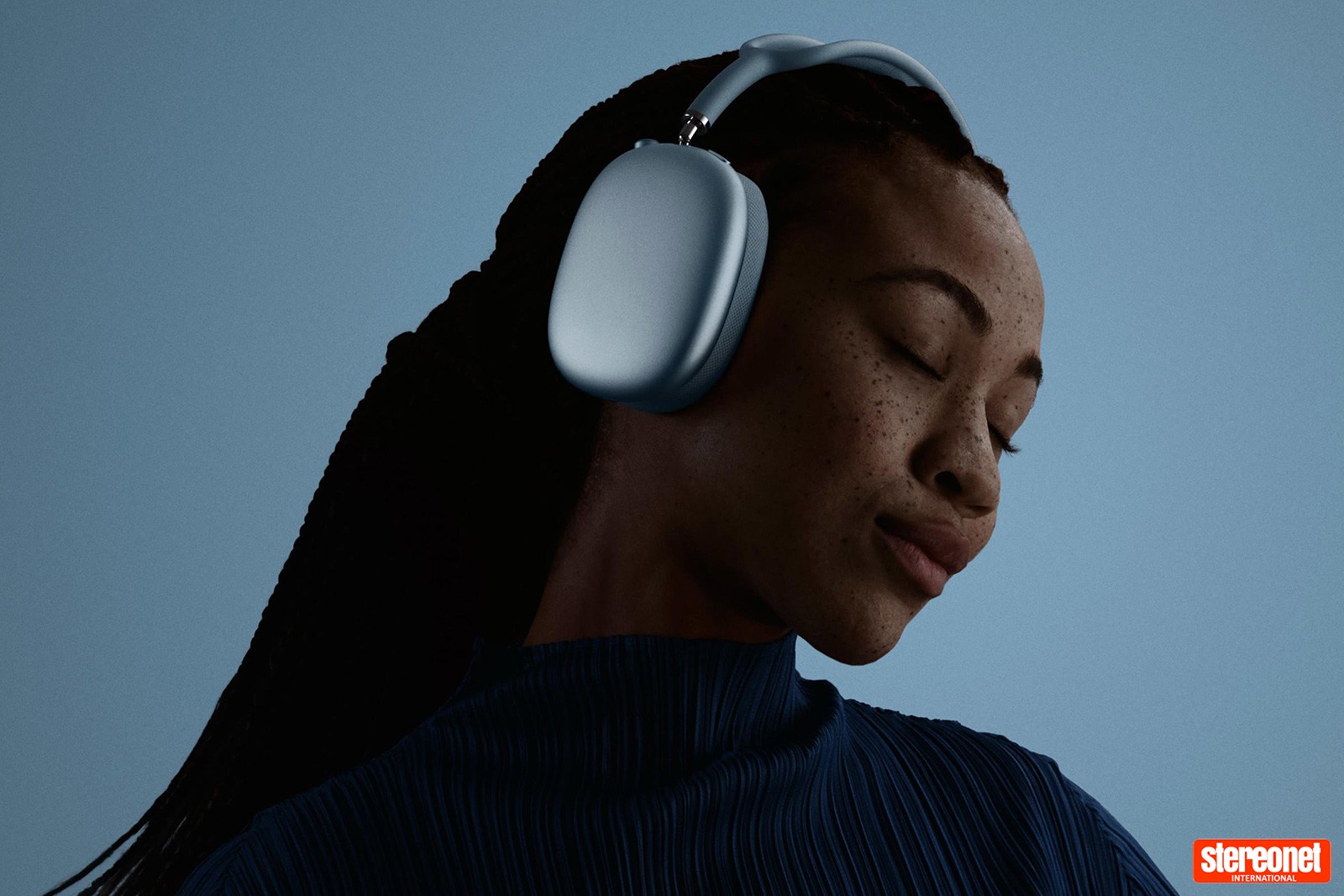
Apple says Active Noise Cancellation is now up to 1.5 times more effective than before, driven by updated computational audio and refinements to the microphone array. The result, it claims, is improved suppression of constant environmental noise such as aircraft cabins and commuter transport, while a revised Transparency mode is designed to sound more natural and less processed.
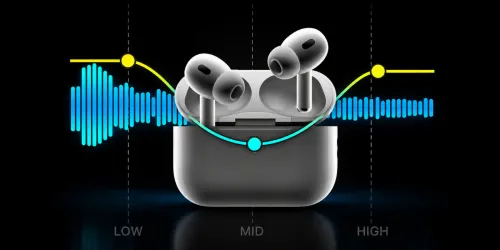
Sound quality has also been revisited. A new high-dynamic-range amplifier is said to deliver greater clarity and control, with more consistent bass response and improved balance across the midrange and treble. Spatial Audio benefits from further tuning too, with Apple pointing to more precise placement of instruments and a more stable presentation across different content.
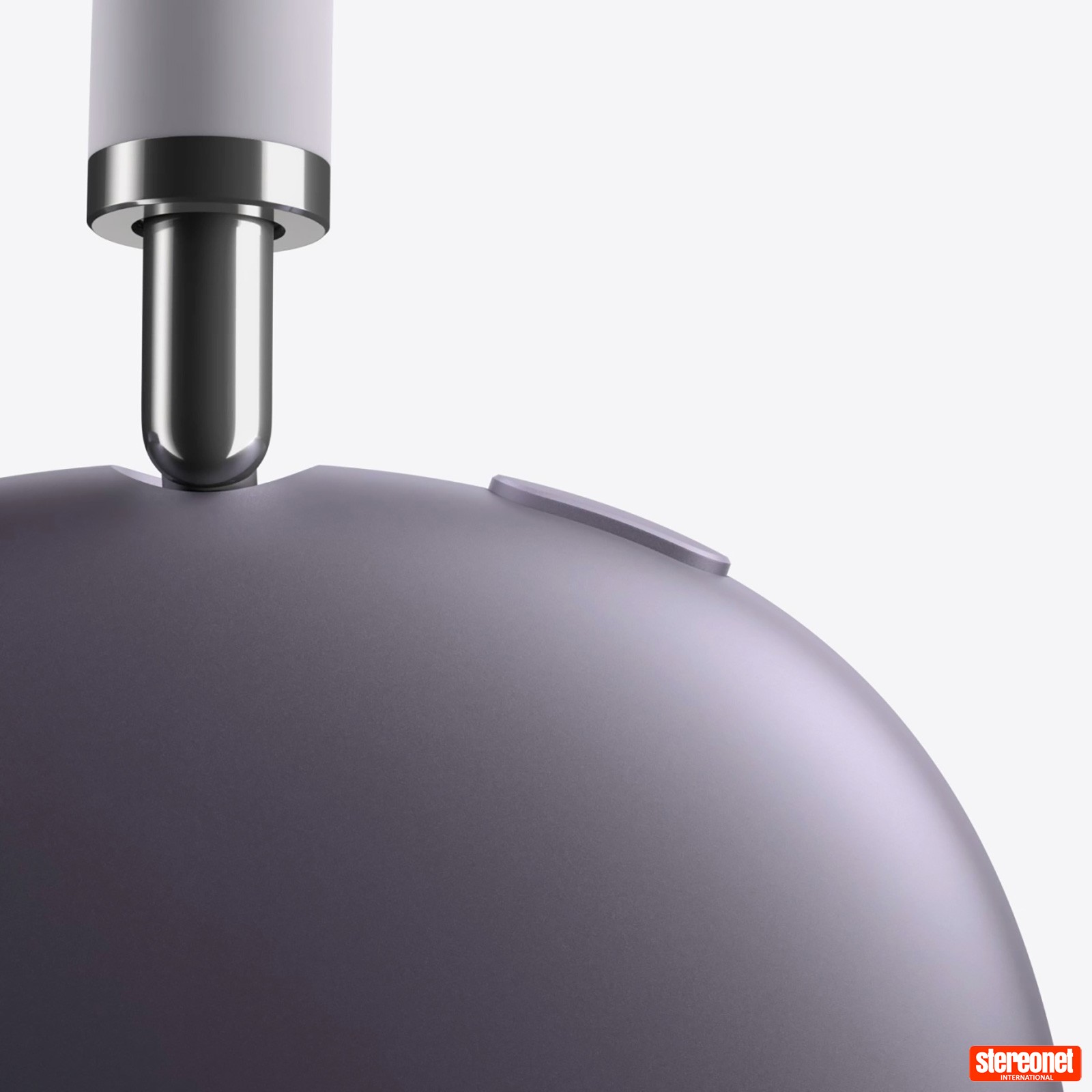
Wired playback sees a more tangible step forward. When connected via USB-C, AirPods Max 2 support 24-bit/48kHz lossless audio, alongside lower latency aimed at both media consumption and content creation. Apple is positioning this as part of a broader creative workflow, particularly within its own ecosystem, enabling users to record and monitor audio in Personalised Spatial Audio with head tracking.
Much of the evolution, however, sits in software. Features such as Adaptive Audio and Conversation Awareness dynamically adjust noise control depending on the environment, while Voice Isolation focuses on improving call clarity in busier surroundings. Live Translation, powered by Apple Intelligence, is also introduced, another sign of how tightly Apple is weaving AI-driven functionality into its hardware.
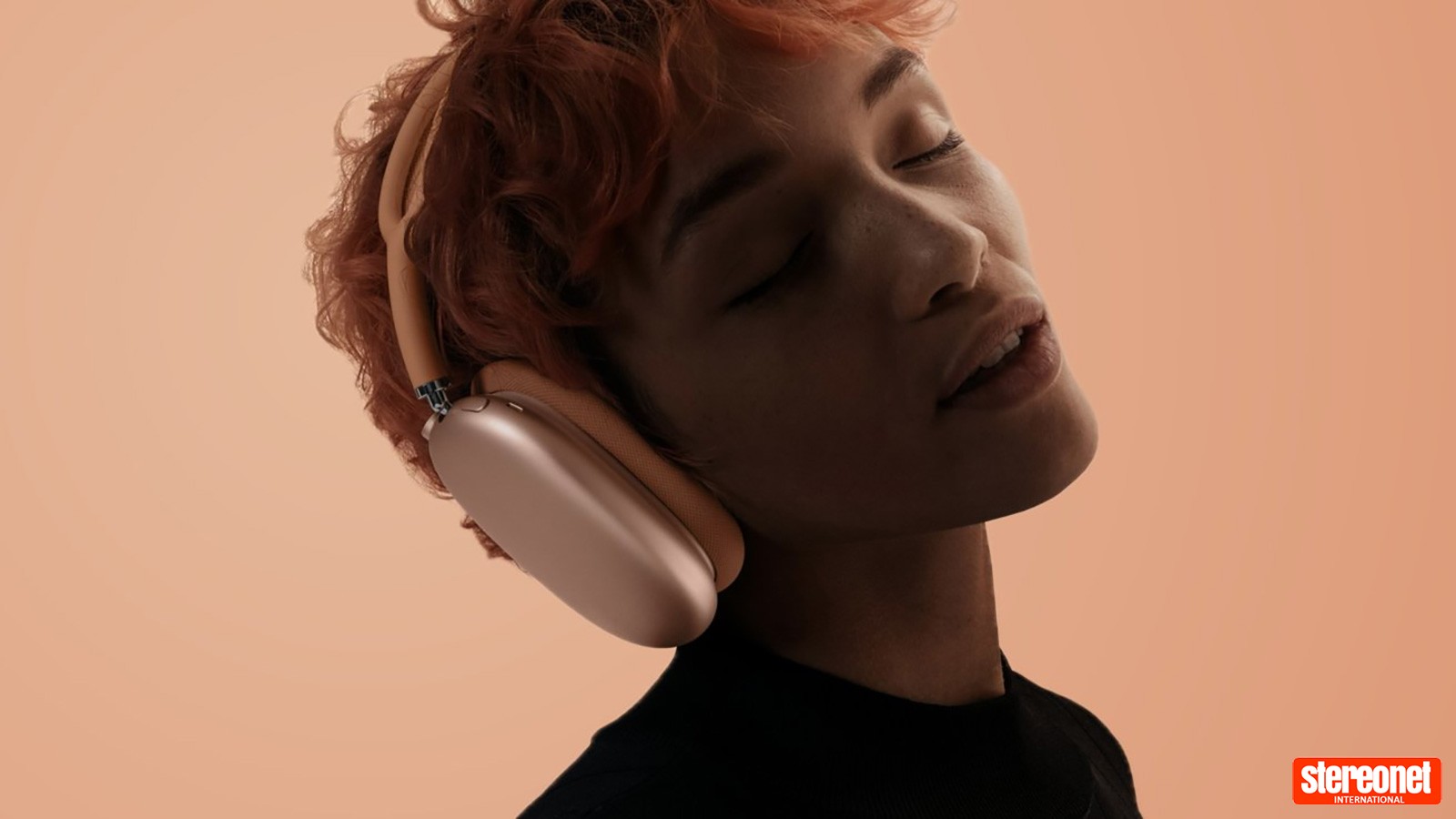
There’s also a subtle shift toward content creation. AirPods Max 2 now support higher-quality audio recording and can act as a remote trigger for the iPhone or iPad camera, expanding their role beyond listening into capture and production.
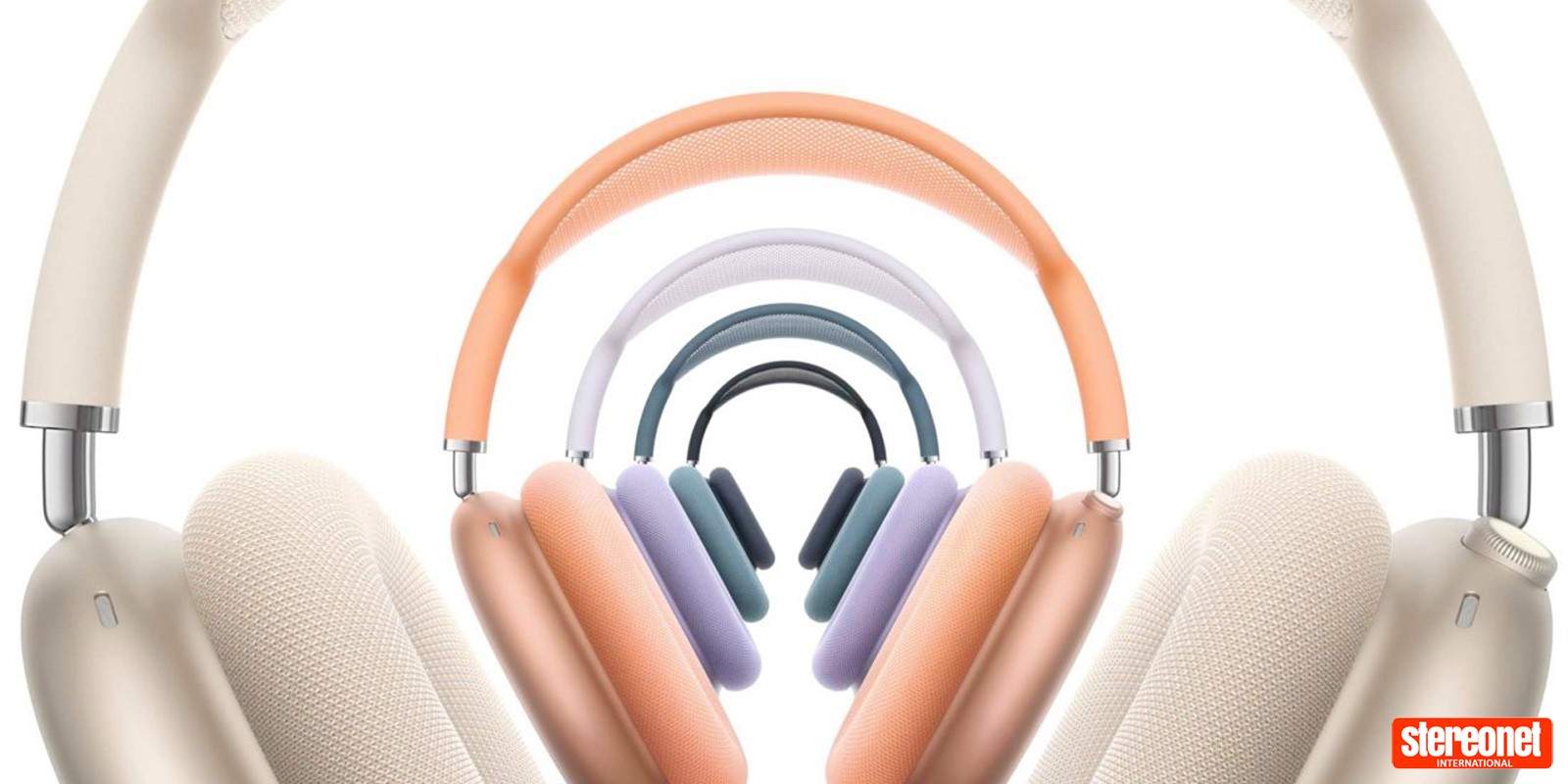
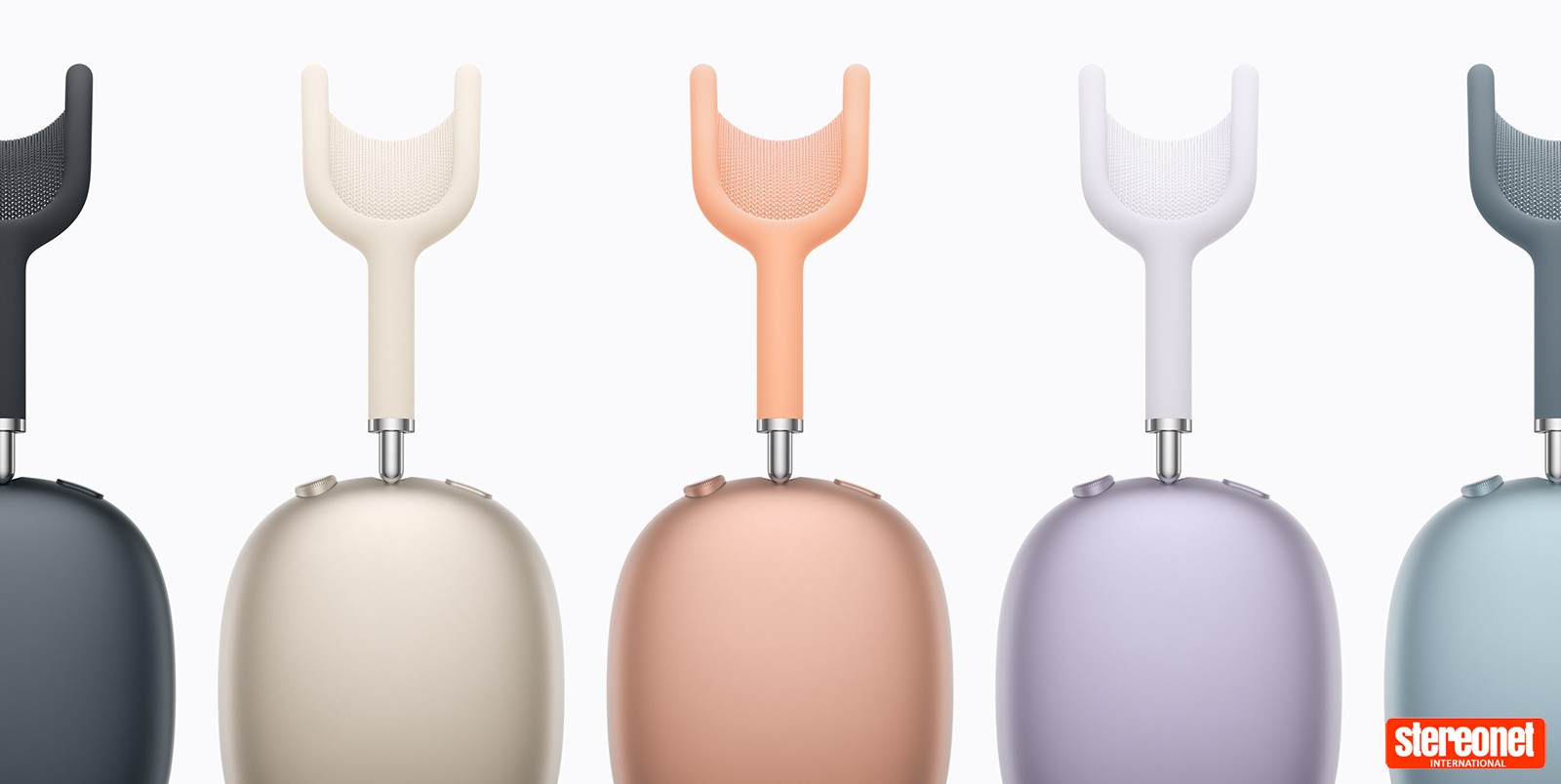
Visually, the design remains largely unchanged, with Apple instead introducing a refreshed colour palette including midnight, starlight, orange, purple and blue.

Taken together, AirPods Max 2 feel less like a reinvention and more like a clear statement of direction. Apple is no longer treating headphones as standalone listening devices, but as intelligent extensions of its wider ecosystem, shaped as much by software, AI and cross-device interaction as by acoustic performance.
That shift is already visible across its recent AirPods releases, and AirPods Max 2 bring the over-ear category into alignment. It also arrives as Apple’s broader hardware roadmap continues to evolve, with long-rumoured new form factors such as the iPhone Fold expected to further emphasise seamless interaction between devices.
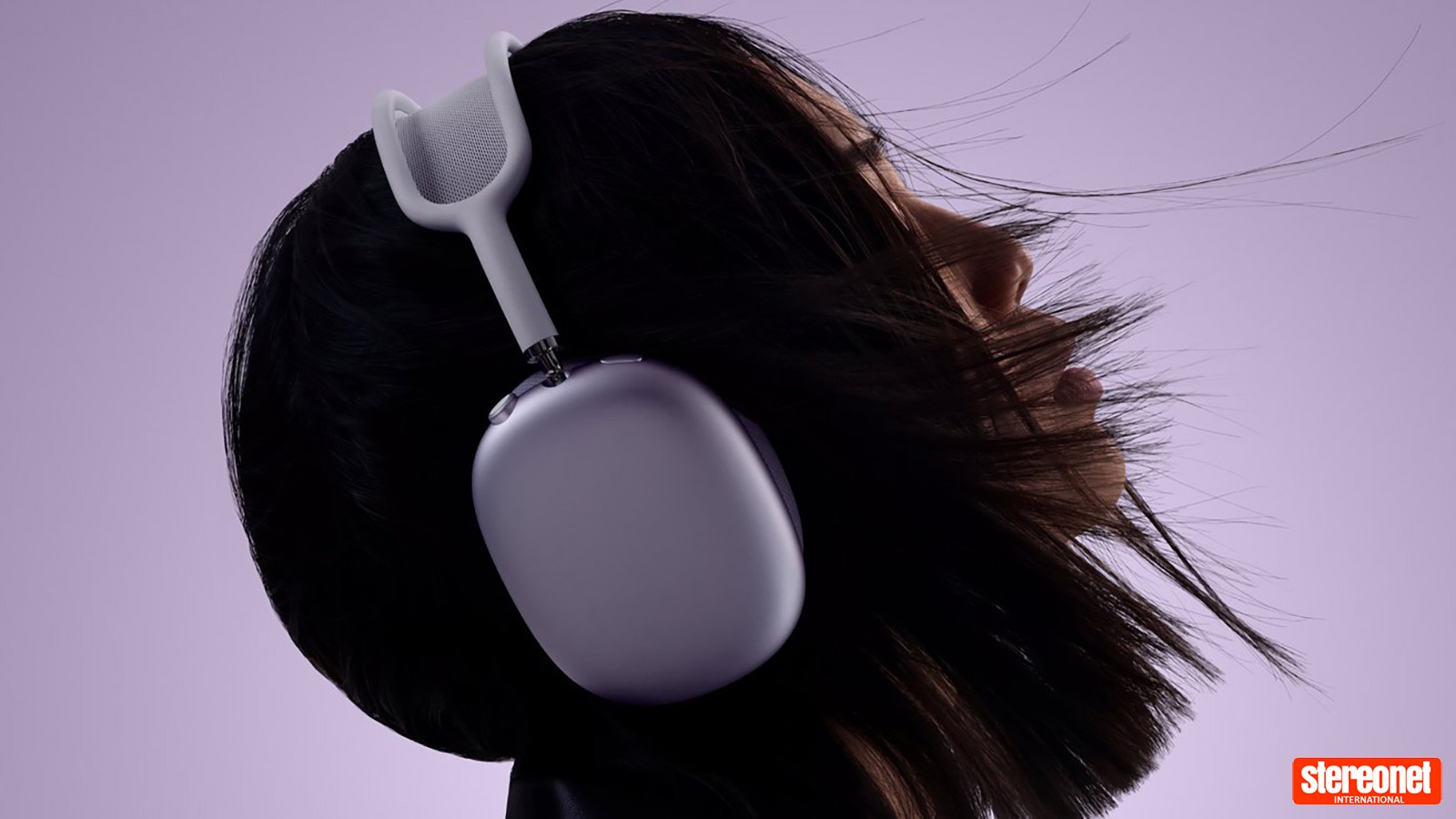
AirPods Max 2 will be available to order from 26 March, with pricing set at US$549 | £499 | A$999 with availability expected early next month.
Gallery

Posted in: Headphones
Join the Discussion
What do you think? Head to the forums and share your thoughts with 100,000+ other community members.
Go to Forums