
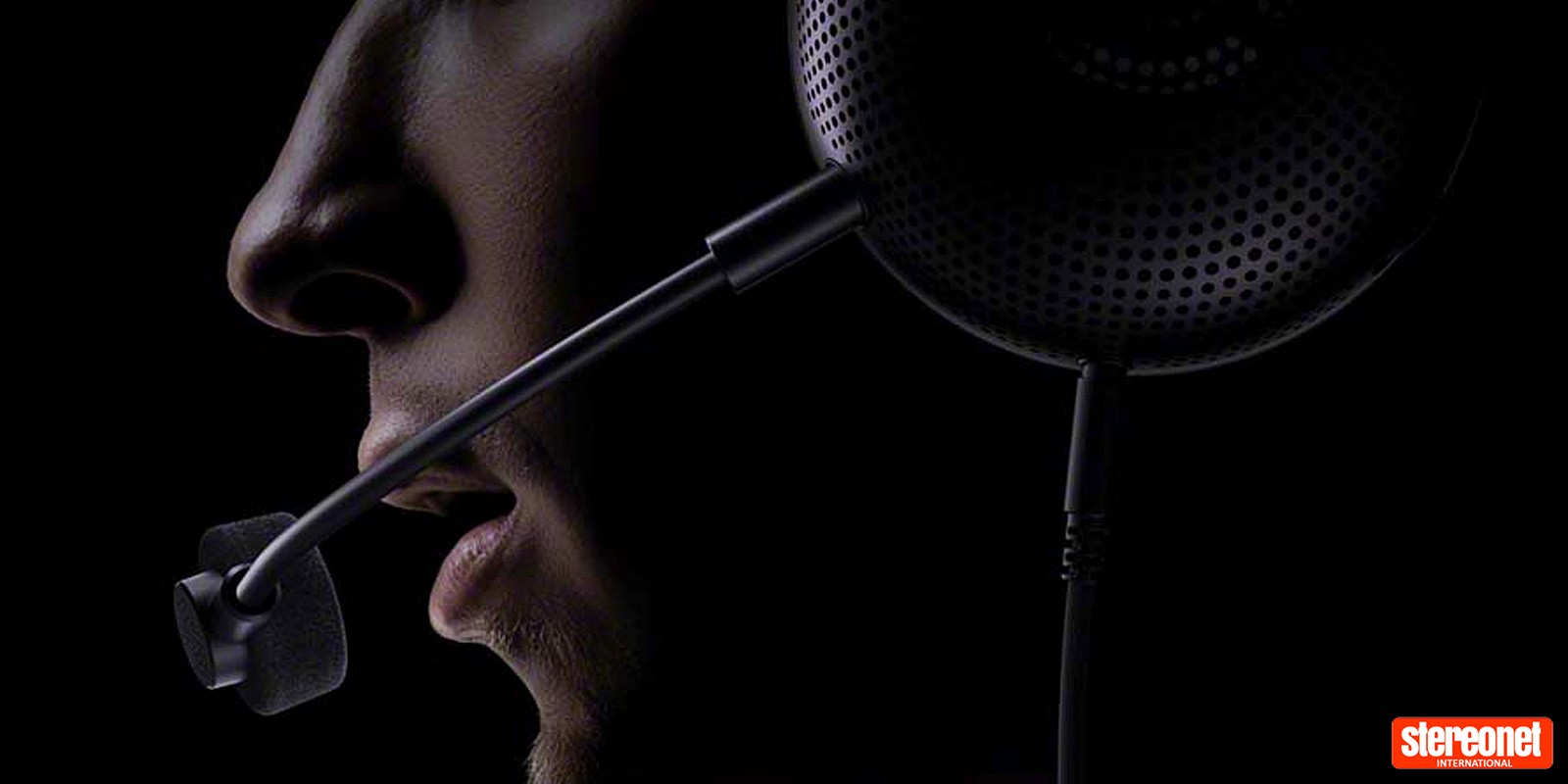

Rolled out in the US earlier this week, with Asia-Pacific markets following shortly after, the H6 Air signals a more deliberate crossover between Sony’s professional audio division and its gaming ecosystem.

The headset uses an open-back design closely related to the MDR-MV1, but tuned here for positional accuracy rather than sheer impact. By venting the housing and adding carefully tuned rear ducting, Sony is looking to reduce internal reflections and keep the low end in check, favouring clarity over outright weight — an approach that should make it easier to separate and place in-game sounds, particularly in competitive titles such as Call of Duty, where cues like footsteps, weapon handling or even a door opening can make the difference between reacting early or not at all.

In theory, that more controlled, open presentation also gives Sony’s 360 Spatial Sound for Gaming a cleaner foundation to work from, handled here via an included USB-C audio interface. The overall tuning leans toward precision rather than the bass-forward voicing typical of mainstream gaming headsets.

Comfort is also a focus. At around 199g without cable or detachable microphone, the H6 Air is the lightest headset in the INZONE range, using a spring-hinge headband derived from the H9 II to balance reduced weight with stable clamping force. That lower mass should make a difference over longer sessions, where fatigue can creep in just as quickly as immersion.

By carrying elements of the MDR-MV1 into INZONE, Sony is effectively testing whether a more neutral, spatially accurate presentation has a place in gaming beyond enthusiast circles. That’s a different proposition to the usual “more bass, more impact” approach, and one that aligns more closely with how audio is treated in professional environments. It also reflects a shift in game development, where spatial audio engines are becoming more precise, even if playback hardware hasn’t entirely caught up.

The upshot is that INZONE H6 Air sits between Sony’s pro audio heritage and its gaming range, offering a more reference-style alternative without stepping fully into studio territory. Pricing lands at US$199.99, with £180 in the UK and downunder at A$299.95. European pricing is expected to sit broadly in line, at around €199–€219 depending on the market.
For more information visit Sony
Gallery

Posted in: Gaming / Simulators
Join the Discussion
What do you think? Head to the forums and share your thoughts with 100,000+ other community members.
Go to Forums