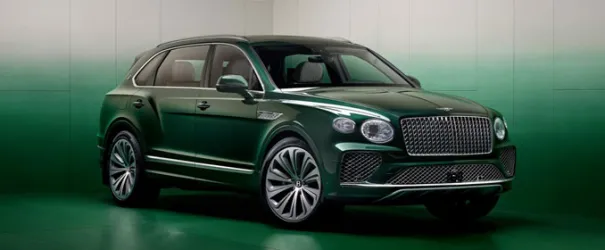
An electric Bentley was never going to be allowed to hum anonymously into the distance. With the forthcoming Torcal, the British manufacturer has chosen not to imitate an engine or reach for a generic science-fiction whirr, instead creating an original driving soundtrack from live musical performances.

Known as the Bentley Dynamic Symphony, the system uses drums, viola and bass guitar to give the Torcal what the company describes as its own “sonic identity”. Like an internal-combustion engine, the composition will change in response to the driver’s inputs, bringing an audible sense of acceleration and movement to Bentley’s first fully electric production model.
The project began with Bentley recording and analysing one of its V8 engines in a studio, although its engineers were less interested in copying the familiar exhaust note than understanding why it has such an emotional effect. Their conclusion was that much of the V8’s character comes from rhythm, including the tiny variations and imperfections that prevent a combustion engine from sounding completely uniform.
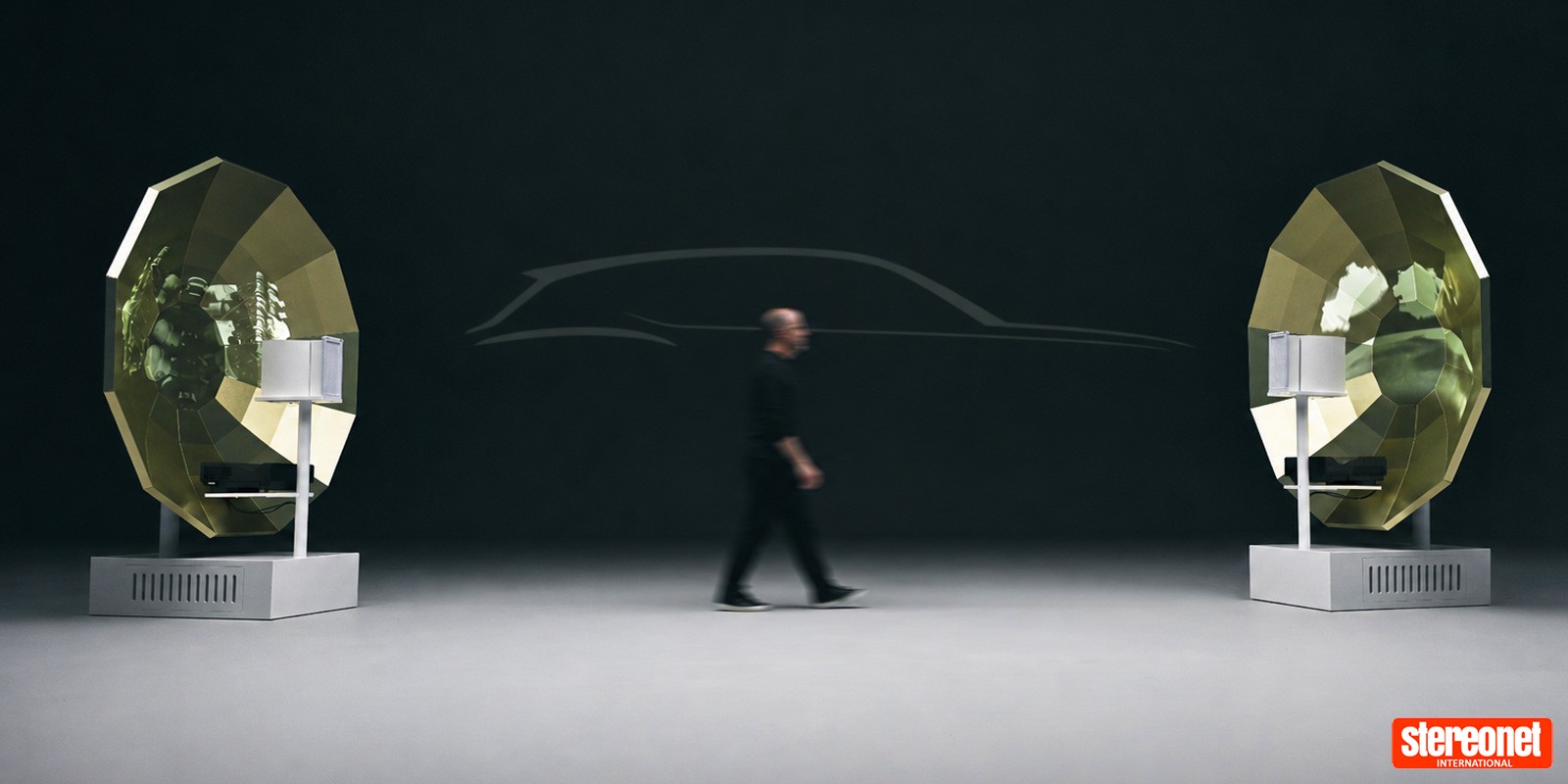
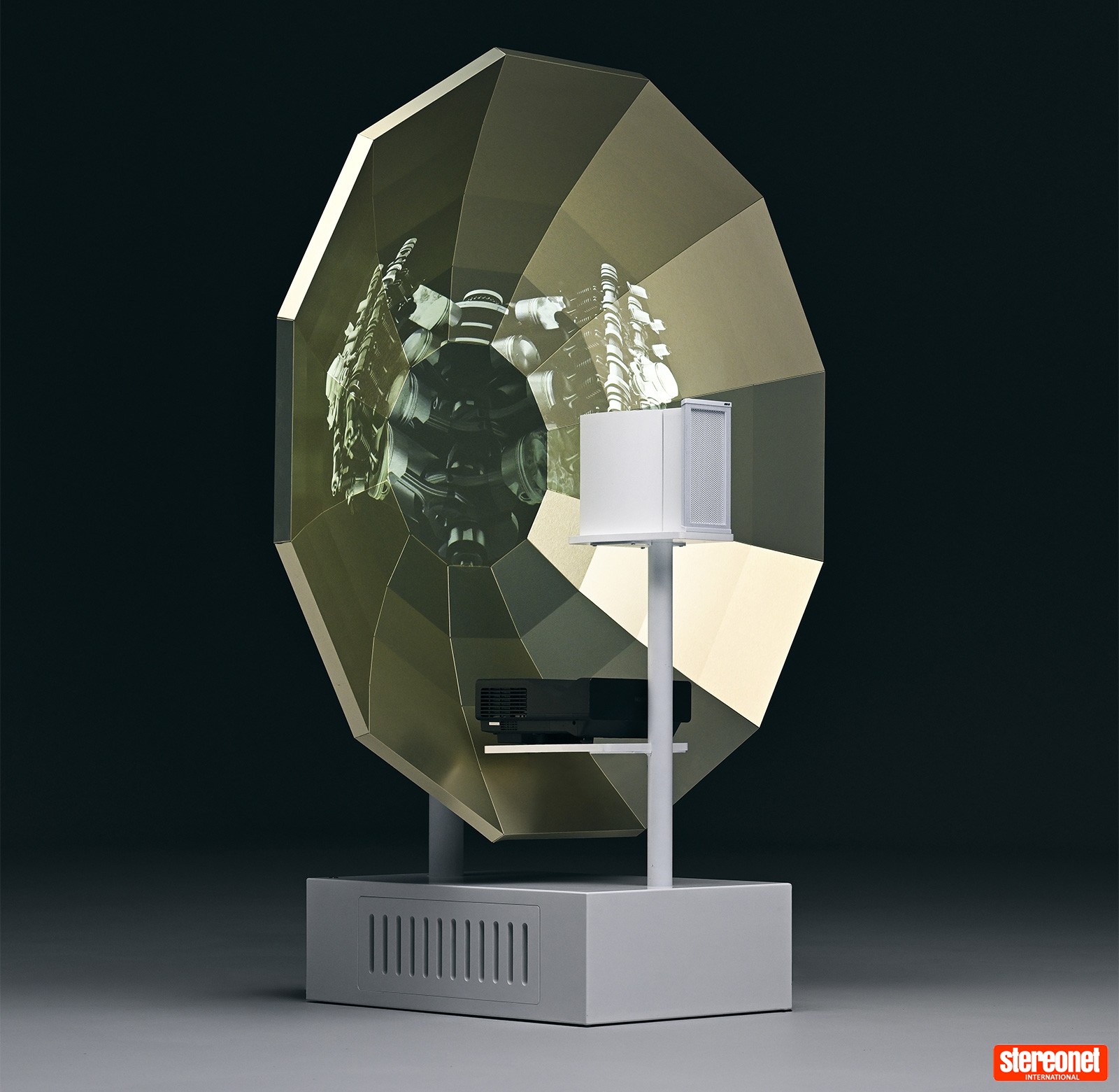
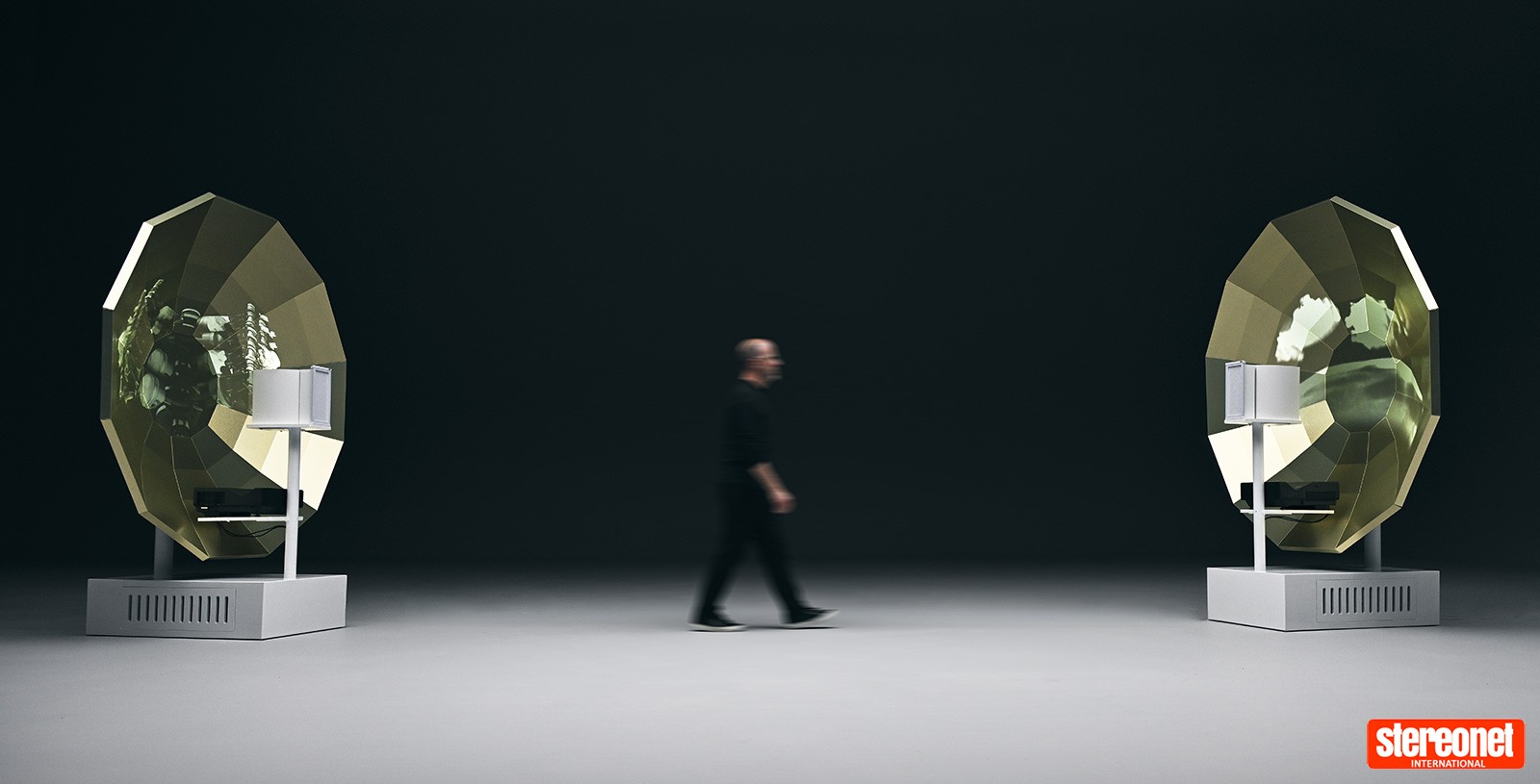
Bentley explored that idea with an unusual listening experiment involving two parabolic speakers. A recording of the V8 played through one while a drummer performed through the other, allowing members of the development team to move between them and compare their energy, cadence and emotional impact.
What they heard led Bentley away from synthetic engine replication. The slight fluctuations found in both the V8 and the drummer’s performance gave each a more natural, human quality, something that could be lost if the Torcal were given a perfectly regular electronic tone.
Musicians were then brought in to create the finished soundtrack with real instruments and selected acoustic textures. Bentley says the result is intended to recall the presence and sense of occasion associated with its combustion-engined cars without pretending that an electric motor is firing eight cylinders under the bonnet.
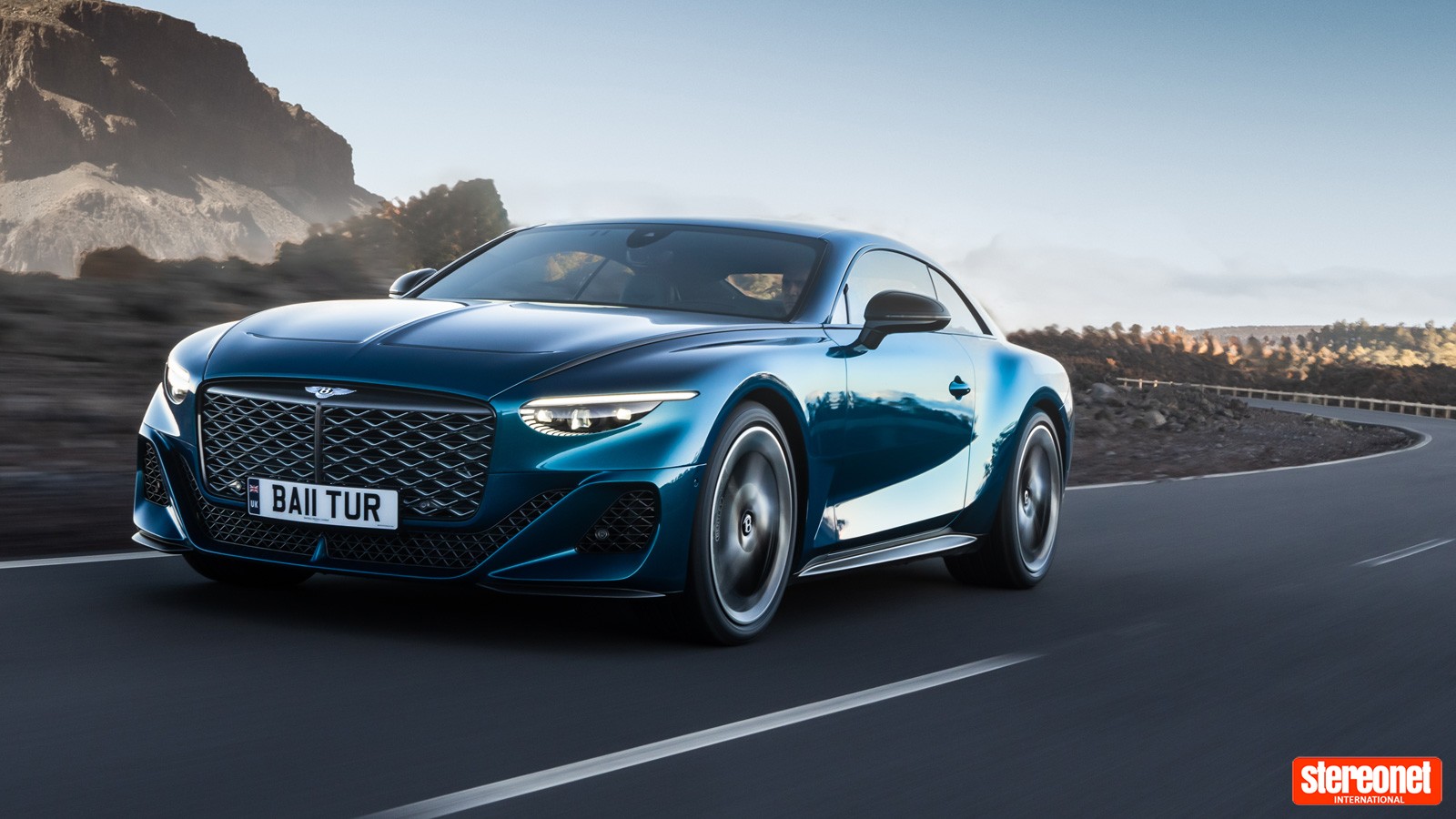
The company’s presentation of the Torcal sound project refers to Bentley’s broader engine history, stretching from its supercharged cars of the 1930s to the long-running V8 and more recent W12. All sound very different, of course, but Bentley believes they share an ability to make acceleration feel like more than a change in speed.
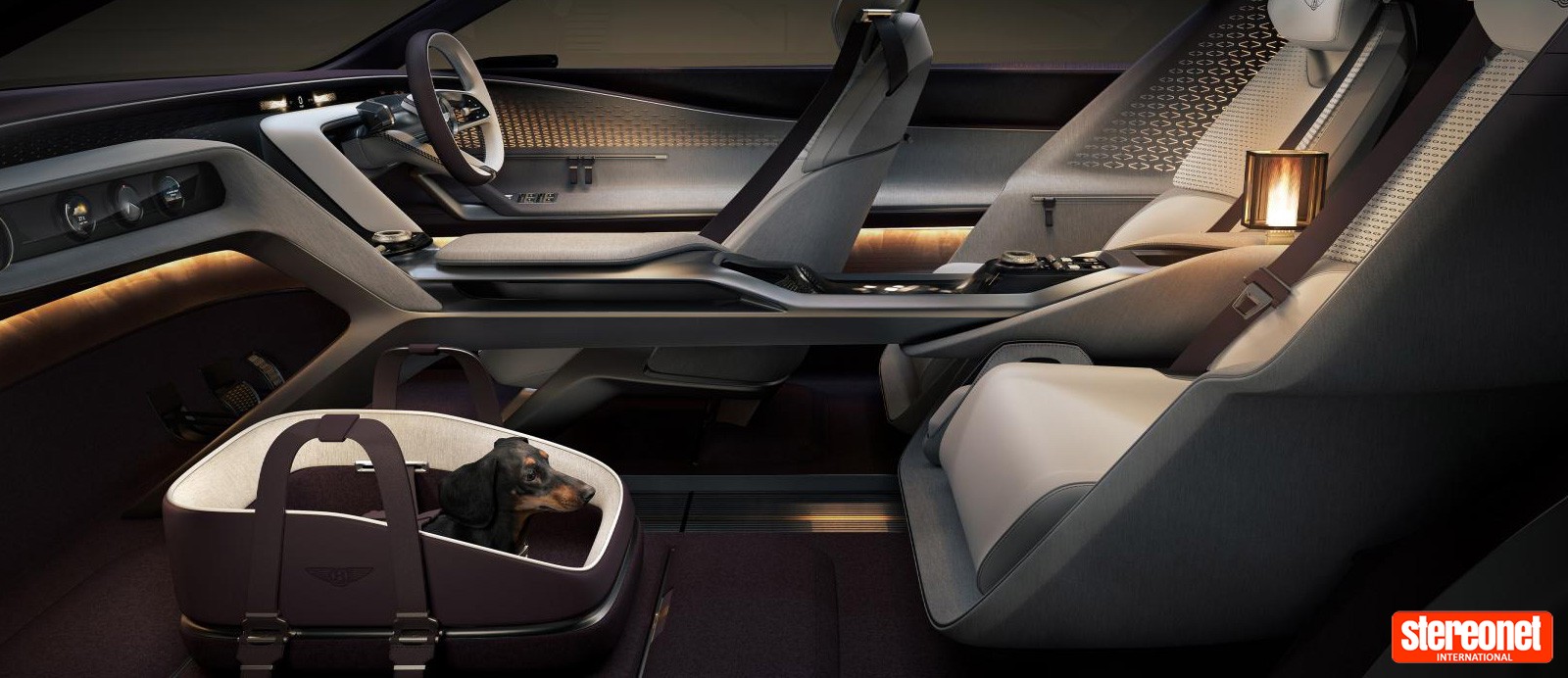
This work also shows how the role of in-car audio is expanding as manufacturers move towards electric power. The sound system is no longer concerned only with music, navigation and phone calls; it can now help shape how the vehicle itself feels from behind the wheel. That goes beyond the external warning tones required at low speeds, becoming part of the car’s character and the feedback it gives its driver.
Bentley has not yet detailed the audio hardware that will reproduce the Dynamic Symphony, nor whether drivers will be able to adjust or disable it. That omission is particularly interesting given the standard set by the company’s existing systems. In 2025, StereoNET awarded the Bentayga’s 20-speaker, 1,720W Naim for Bentley system an Applause Award, with reviewer Adam Rayner praising its clarity, physical scale and ability to make music feel as convincing as it sounded. Whether Naim will continue that relationship with the Torcal, and how its music system might interact with the Dynamic Symphony, remains unconfirmed. More should become clear when the car makes its full debut in London on 23 September.
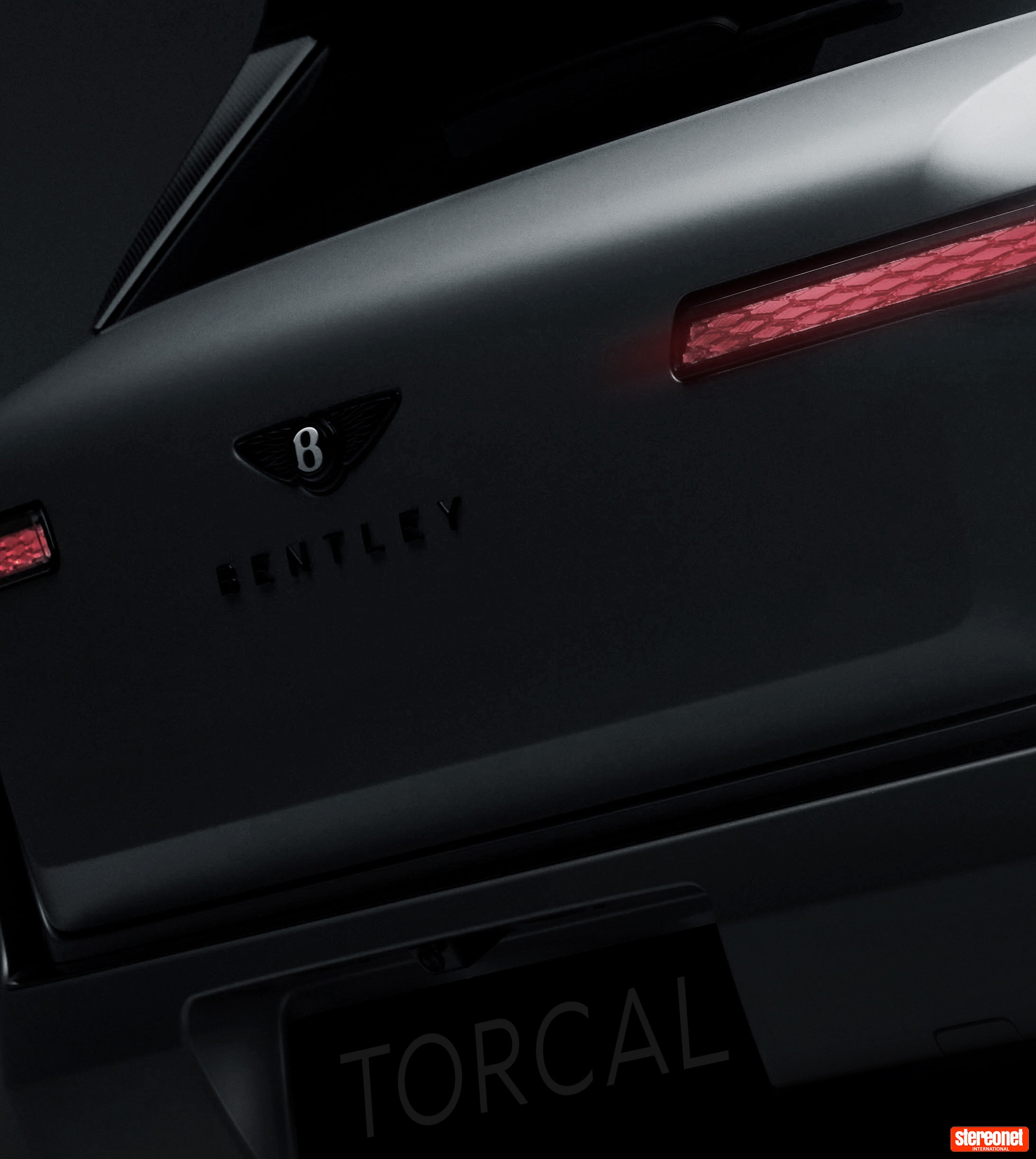
Artificial vehicle sounds will not appeal to every driver, particularly when they try too hard to imitate an engine that is no longer there. Bentley’s approach is more interesting because it borrows the rhythm and slight imperfections of its V8 without simply replaying one through the speakers. Whether drums, viola and bass guitar can make an electric luxury SUV feel like a Bentley is something we will only know from the driver’s seat.
Join the Discussion
Gallery

Posted in: Stereo AUTO
Join the Discussion
What do you think? Head to the forums and share your thoughts with 100,000+ other community members.
Go to Forums