
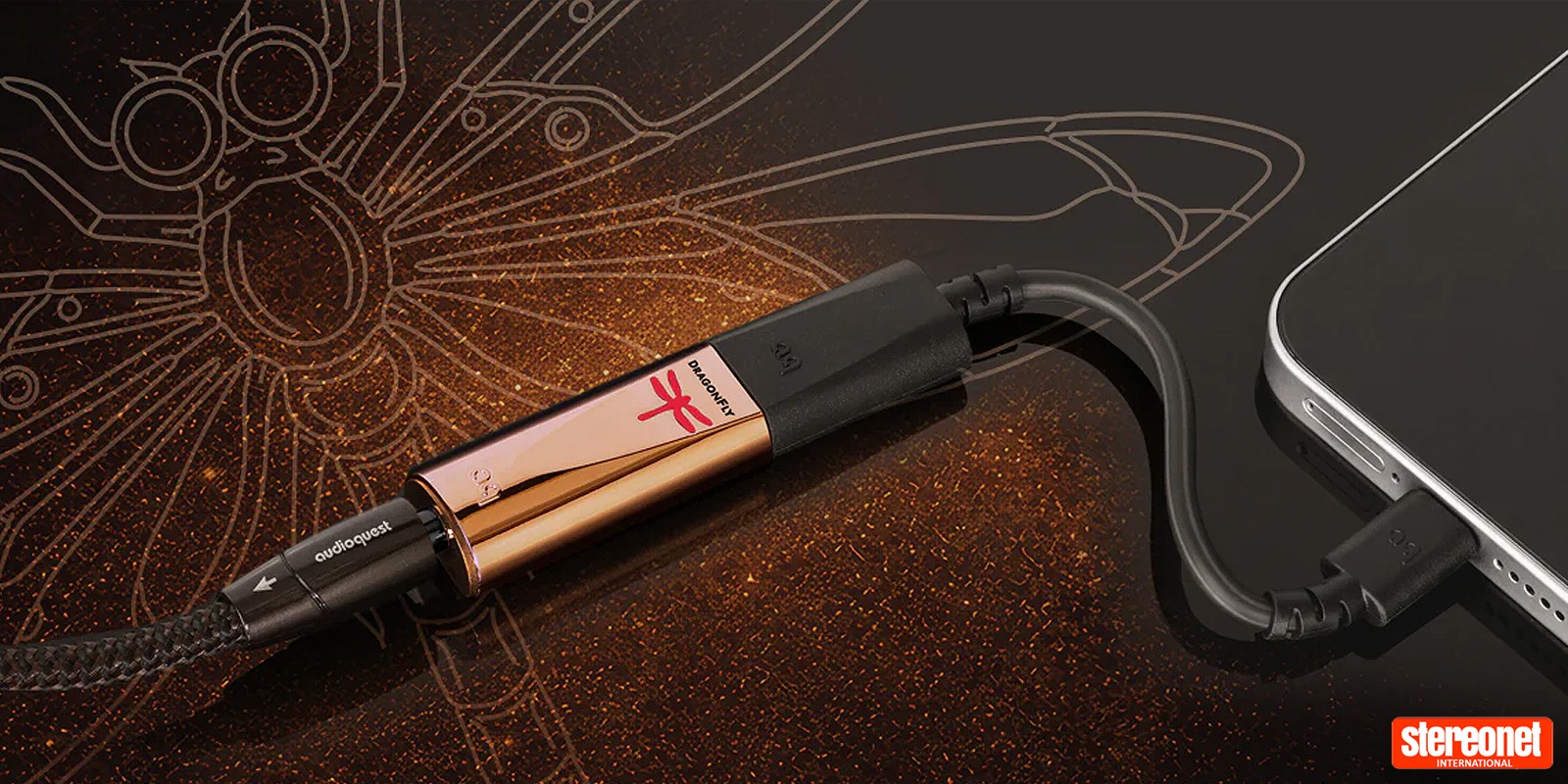
The DragonFly name still carries weight. When the original model arrived in 2012, it helped make computer audio upgrades feel simple, affordable and genuinely portable. More than a decade later, the category it helped popularise is far busier, with compact DAC/headphone amps now available at almost every price point and specification level.
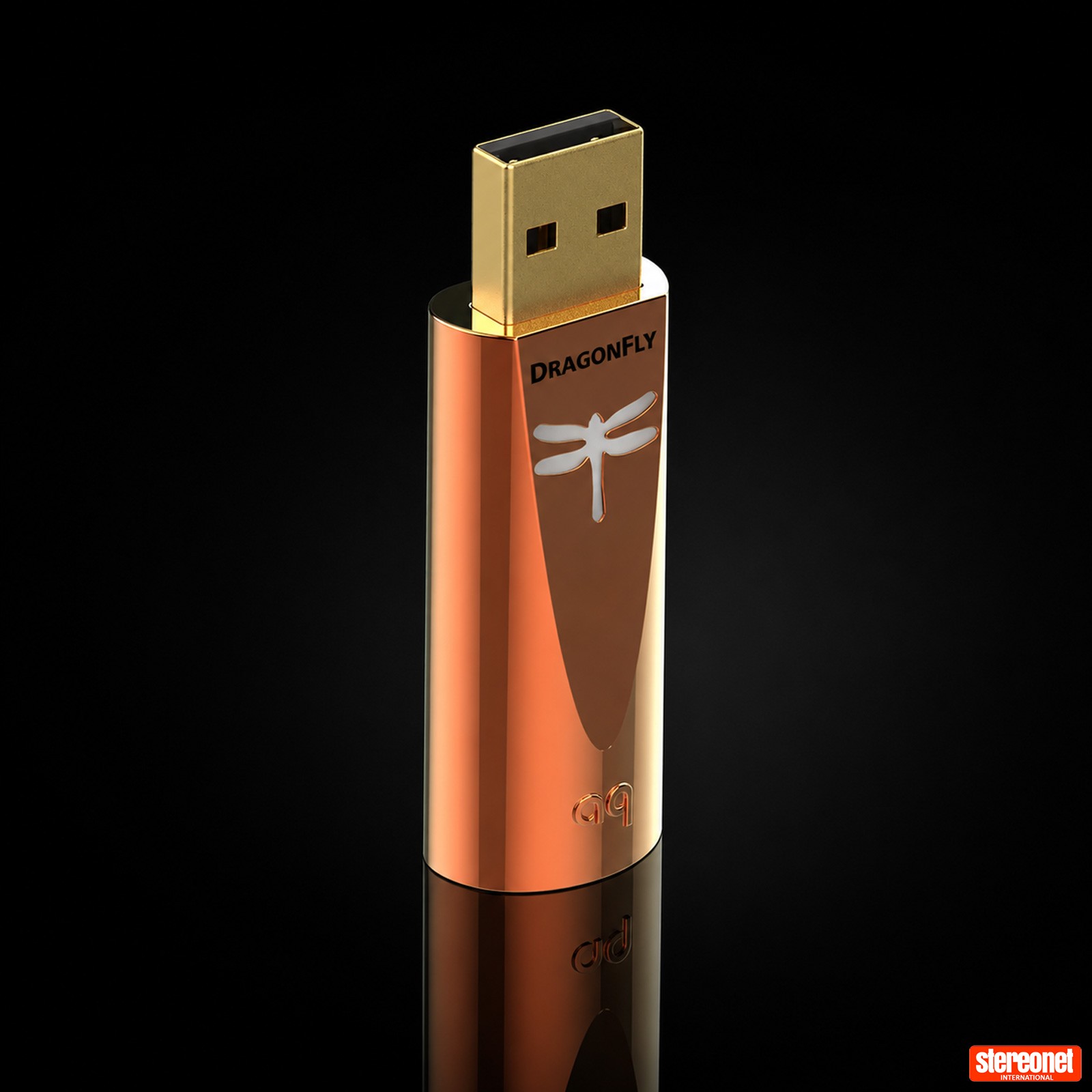
That makes the DragonFly Copper interesting, not because AudioQuest is chasing the highest numbers on the spec sheet, but because it appears to be revisiting the original formula: plug-and-play operation, usable headphone power, low current draw and a small form factor that can move between a pocket, a laptop bag and a desktop system without ceremony.
The new model is a portable USB DAC, preamplifier and headphone amplifier, using a 32-bit ESS Sabre ES9218 DAC/headphone amp chip. AudioQuest says DragonFly Copper delivers twice the output power of any previous DragonFly while drawing 25% less current, a useful claim in the real world if the DAC is being used with a phone or tablet away from mains power.
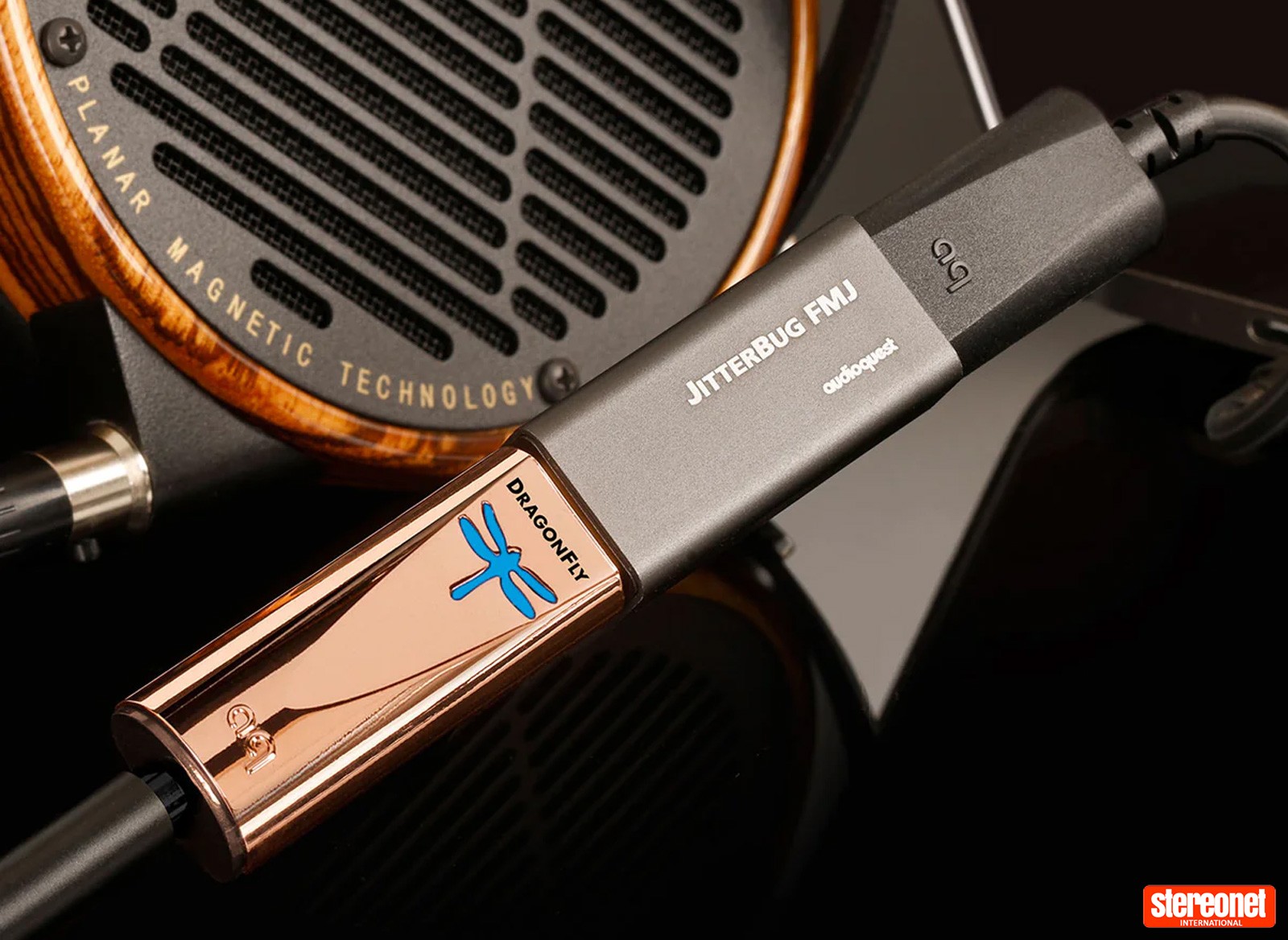
Output is rated at 2.1V, with volume controlled by the connected phone, tablet or computer. As with earlier DragonFly models, the analogue output is via a 3.5mm socket, allowing it to feed headphones, powered speakers, a preamplifier or a full audio system.
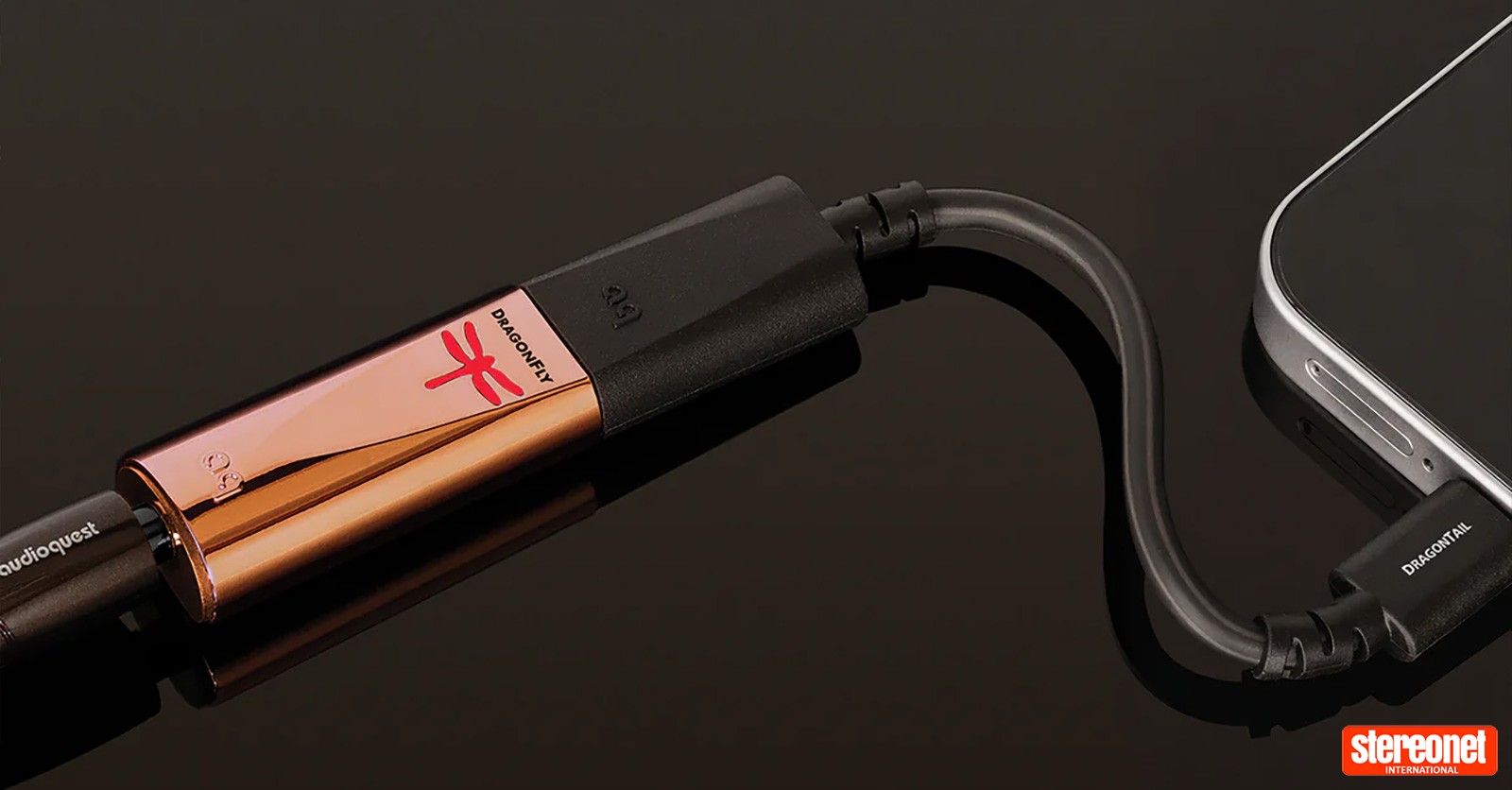
DragonFly Copper uses a high-conductivity copper-plated case, which the company says is designed to help drain RF noise. That claim draws on AudioQuest’s wider thinking around noise dissipation in its cables and accessories, and it is the sort of engineering detail that will likely divide opinion. Still, in a device designed to sit directly beside noisy computers and mobile devices, the RF argument at least has a clear use case.

DragonFly designer Gordon Rankin captured this image at Mirac Tabtronics in Lynchburg, Ohio, showing a cluster of DragonFly internals awaiting casework.
The DragonFly Copper supports playback at 44.1kHz, 48kHz, 88.2kHz and 96kHz, with the illuminated DragonFly logo changing colour to indicate standby and sample rate. Notably, it does not appear to include MQA support, unlike the outgoing Cobalt. In 2026, the 24-bit/96kHz ceiling also looks modest beside some newer dongle DACs, but AudioQuest appears to be prioritising efficiency, compatibility and simplicity over headline sample-rate one-upmanship.
AudioQuest designer Gordon Rankin said the 24/96 ceiling was a deliberate choice rather than an oversight:
Just because you can do something, doesn’t mean you should. USB DACs that use High Speed USB draw between two to 10 times more power than going with Full Speed USB, which tops out at 24/96. A significant number of our customers use DragonFly with their mobile phones, and compared to a DAC running High Speed USB and 32/384 processing, Copper will not affect the phone’s battery much at all.
Compatibility covers Apple iOS, Android, Windows, Apple computers and Linux, although AudioQuest notes that Linux is not supported technically. The DragonFly Copper retains a USB-A plug and is supplied with a DragonTail USB-A to USB-C adaptor, which should make it usable with most current computers, tablets and phones, subject to the usual mobile device compatibility caveats.
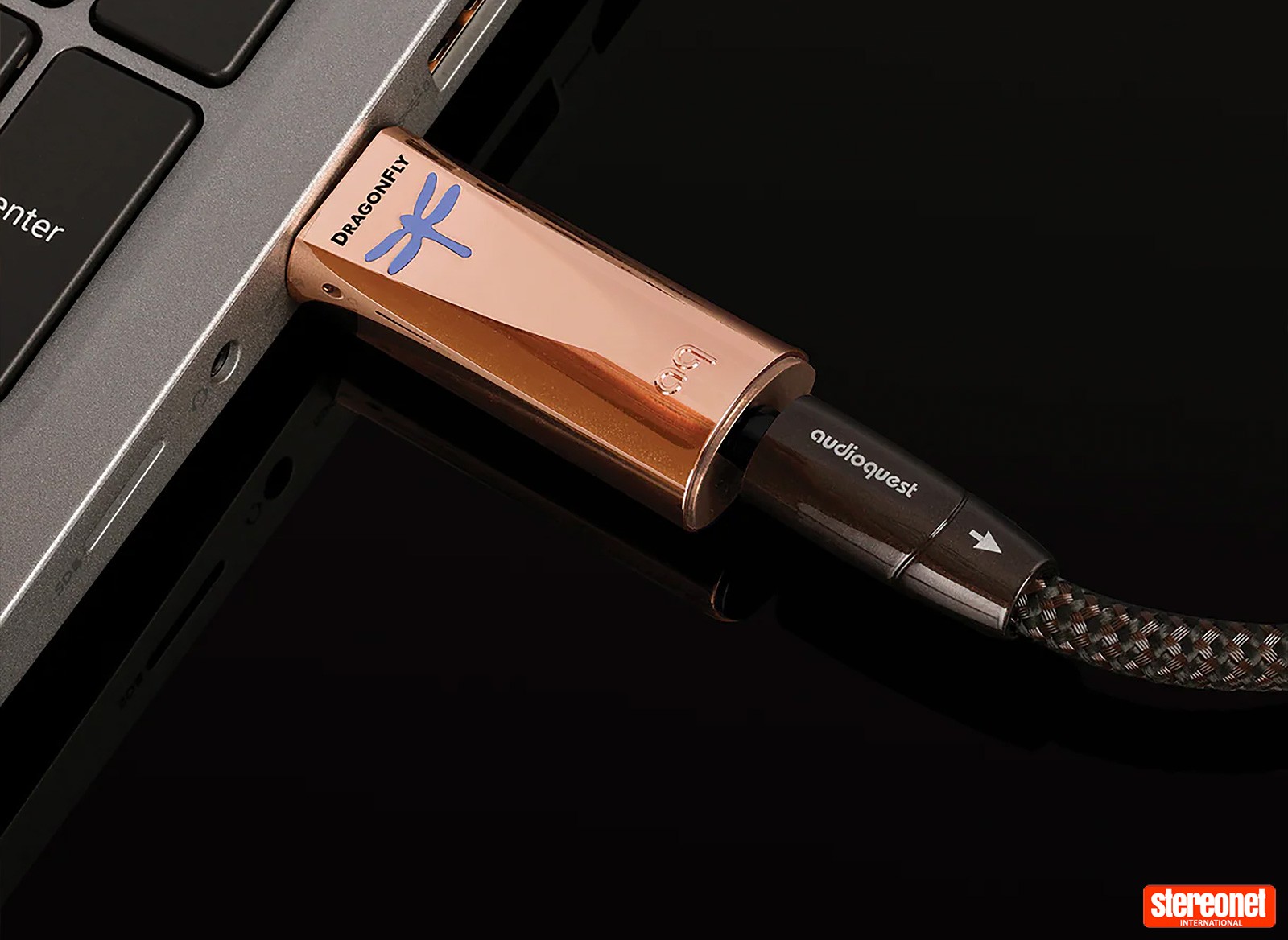
AudioQuest says more than 300,000 DragonFly DACs have been sold worldwide since the range began, giving the Copper a substantial legacy to build on. The market has certainly moved on, with smaller, cheaper and often more spec-heavy rivals now crowding the category, but that also makes the new DragonFly more interesting. Rather than chasing every headline format, it appears designed to focus on the qualities that made the range popular in the first place: simplicity, portability and enough real-world performance to make everyday listening noticeably better.
The AudioQuest DragonFly Copper is priced at US$250, with European pricing reported at €249 and UK pricing at £229. Shipping is expected from September.
For more information visit AudioQuest
Gallery

Posted in: Hi-Fi | Headphones | Technology
Join the Discussion
What do you think? Head to the forums and share your thoughts with 100,000+ other community members.
Go to Forums