
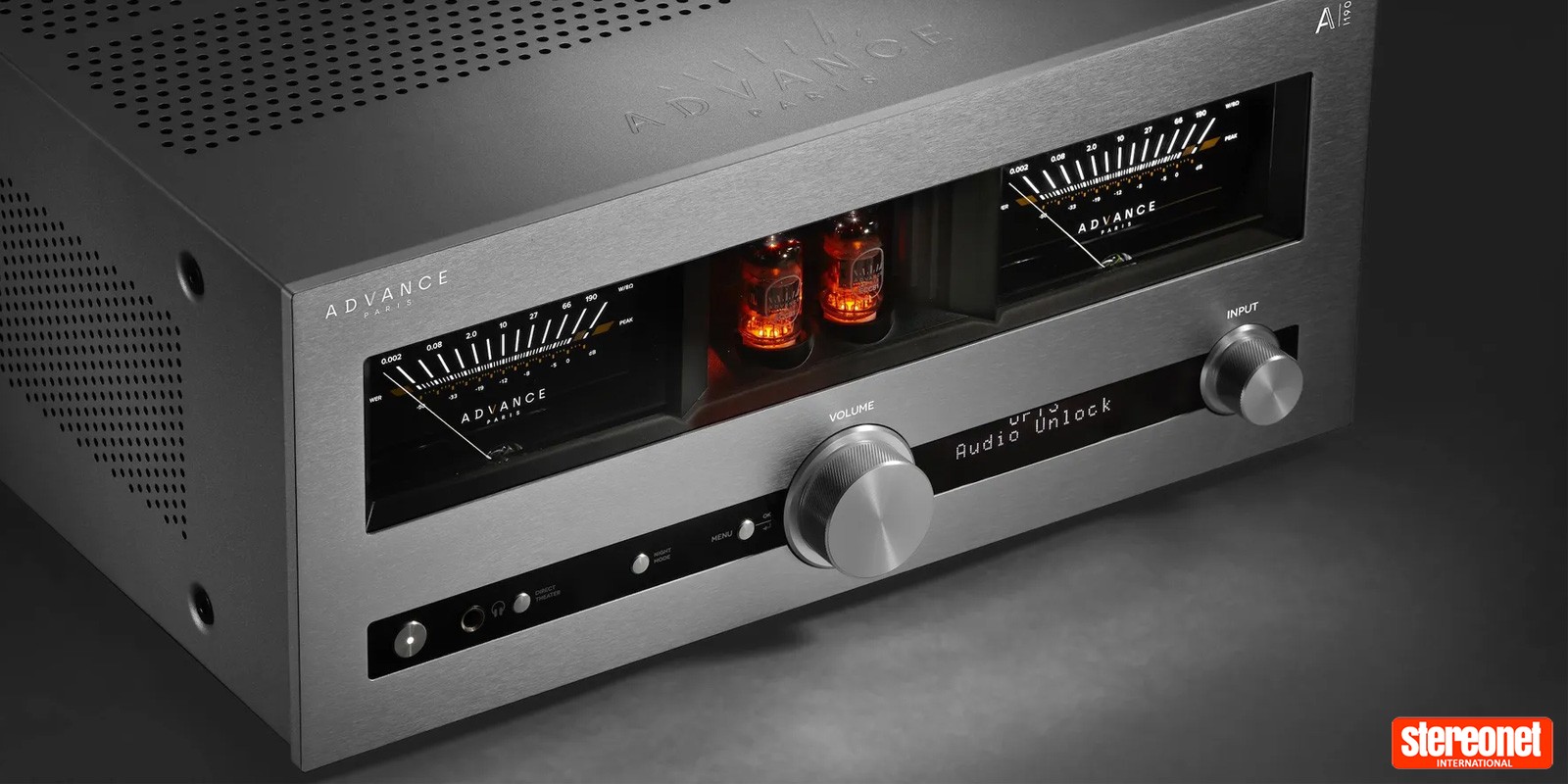
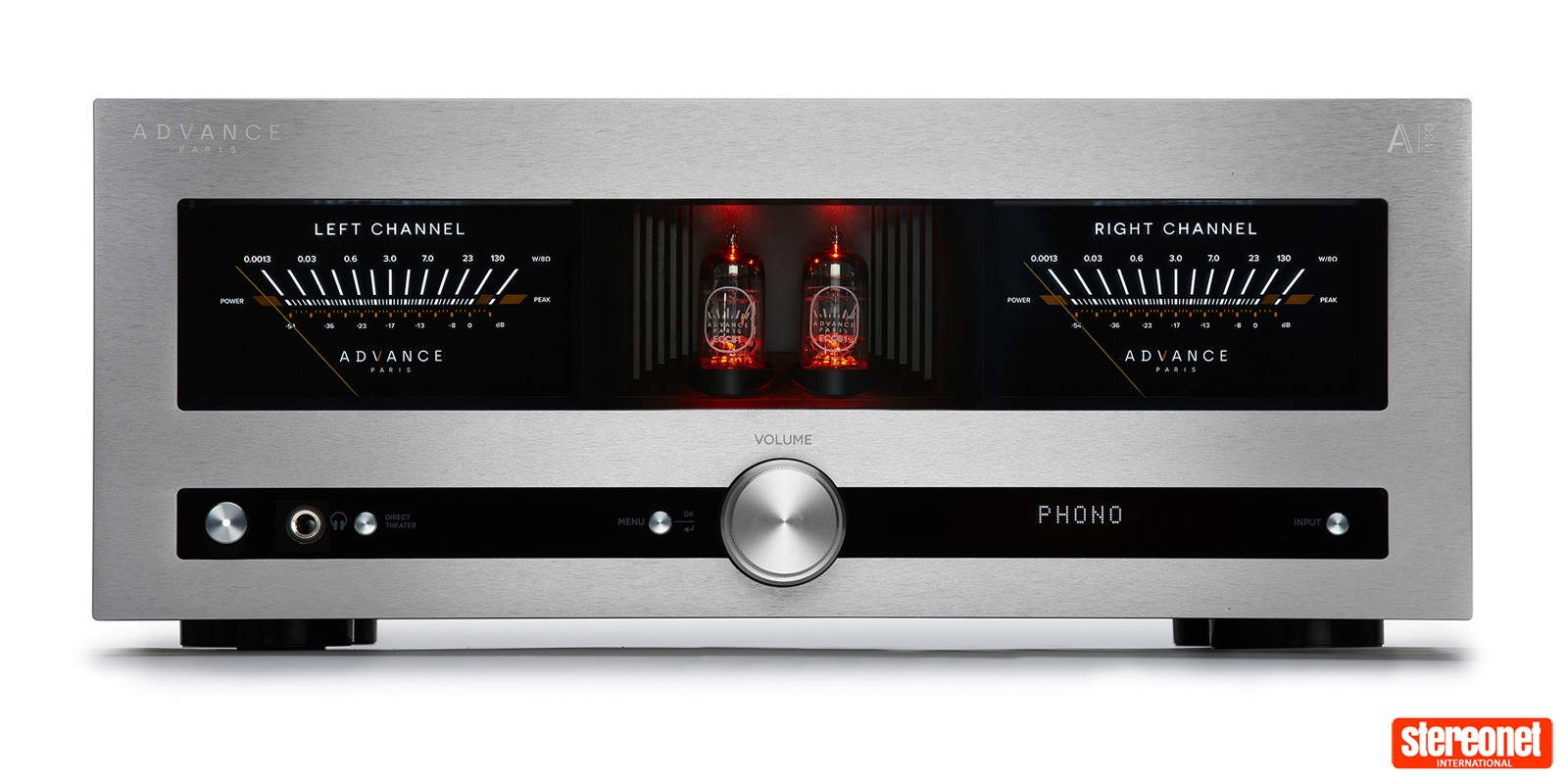
Positioned above both its Classic and APEX lines, Nova centres on two hybrid integrated amplifiers supported by a trio of add-on modules covering streaming, Bluetooth, and system control. The shift suggests a move away from fixed, all-in-one designs towards a more flexible architecture that can be configured over time.
That marks a step on from the APEX range StereoNET covered at this year’s Bristol Hi-Fi Show, which refined Advance Paris’ long-standing hybrid formula. Nova builds on that foundation but extends further into system integration, particularly around DSP and connectivity.
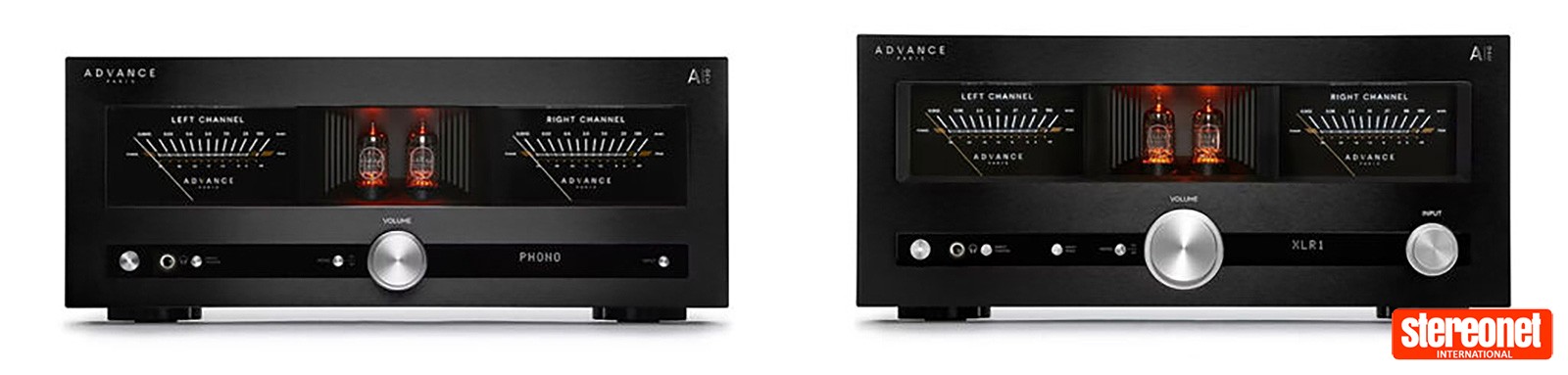
At the core of the range are the A-i130 Nova and A-i190 Nova integrated amplifiers. Both use an ECC81 valve preamp stage feeding a Class A/B output section, rated at 130W and 190W per channel into 8 ohms, respectively. The A-i190 adopts a dual-mono layout with two toroidal transformers and adds balanced connectivity along with MM/MC phono support.
Beyond amplification, both models incorporate an ESS9017 DAC in a quad configuration alongside a four-channel DSP engine. This enables 2.1 or 2.2 system setups with independent subwoofer control and room EQ, functionality that remains relatively uncommon in conventional stereo integrated amplifiers.
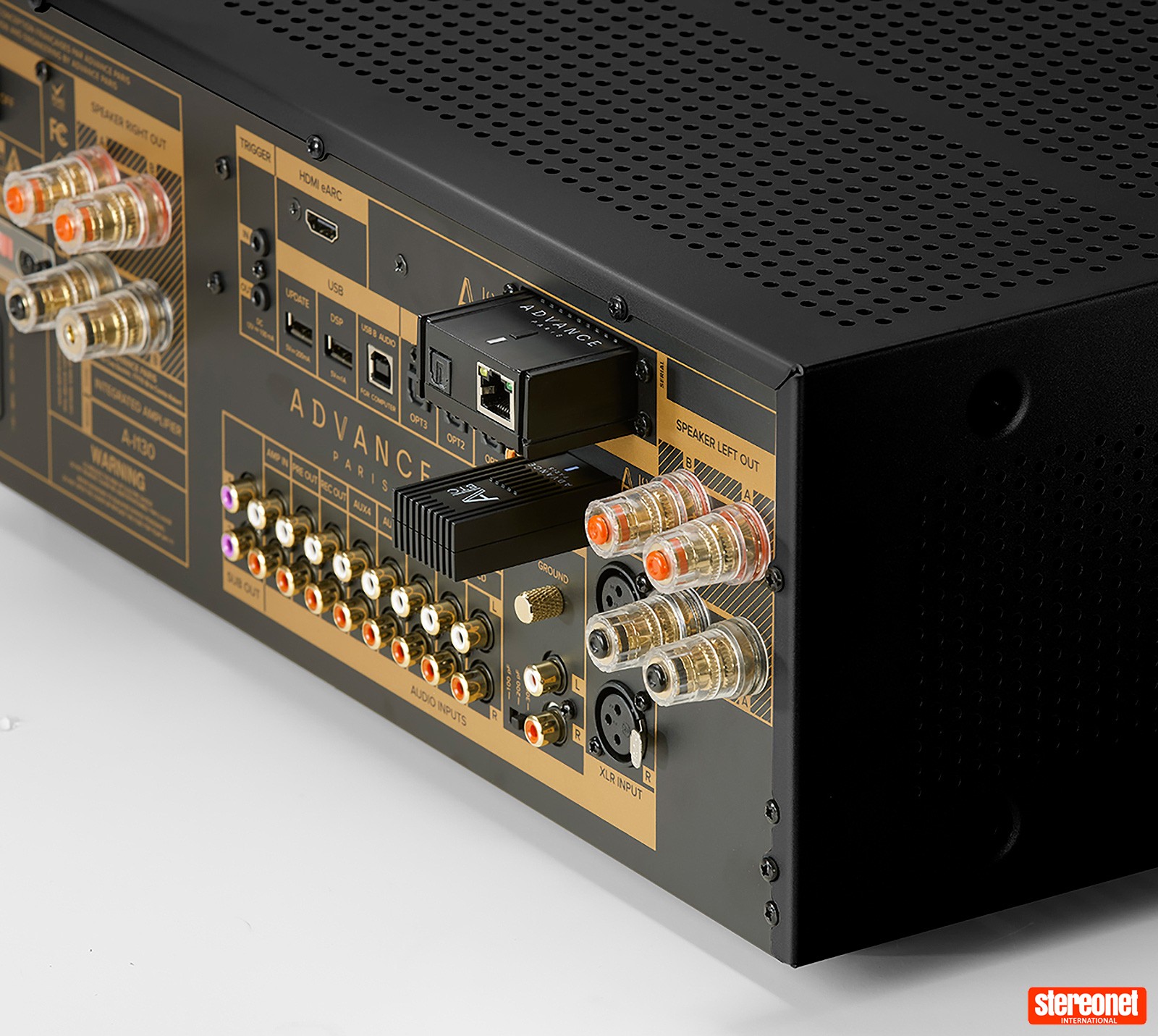
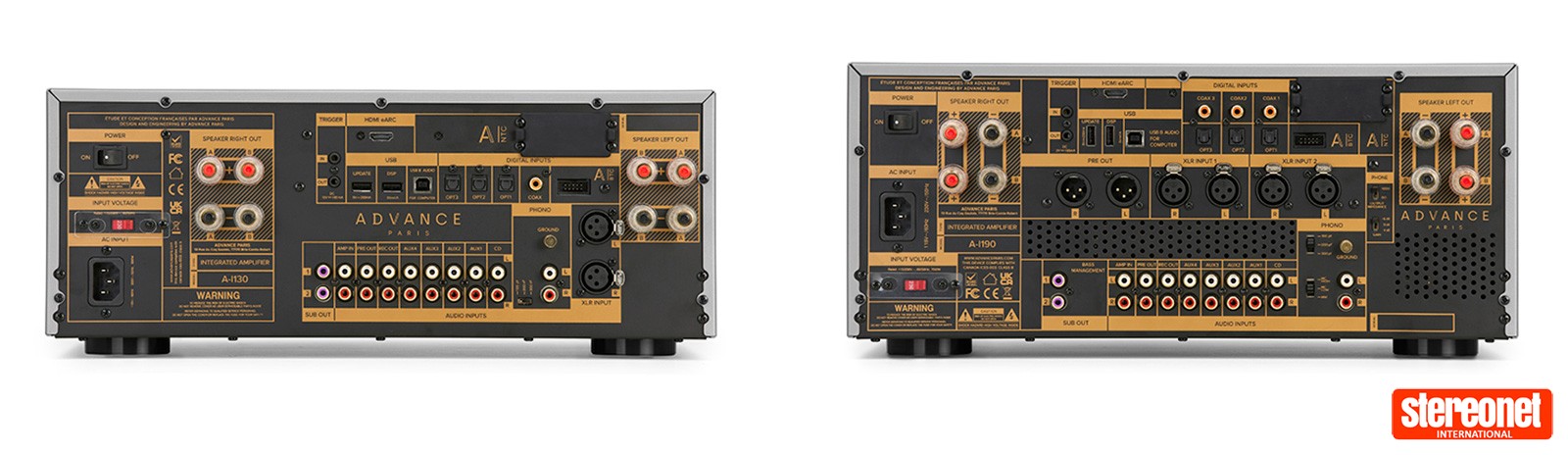
Connectivity is comprehensive, including HDMI eARC, USB with DSD support, multiple optical and coaxial inputs, analogue line-level connections, phono, pre-out, and dual subwoofer outputs. In practical terms, the amplifiers are designed to operate as central control hubs for both hi-fi and TV-based systems.
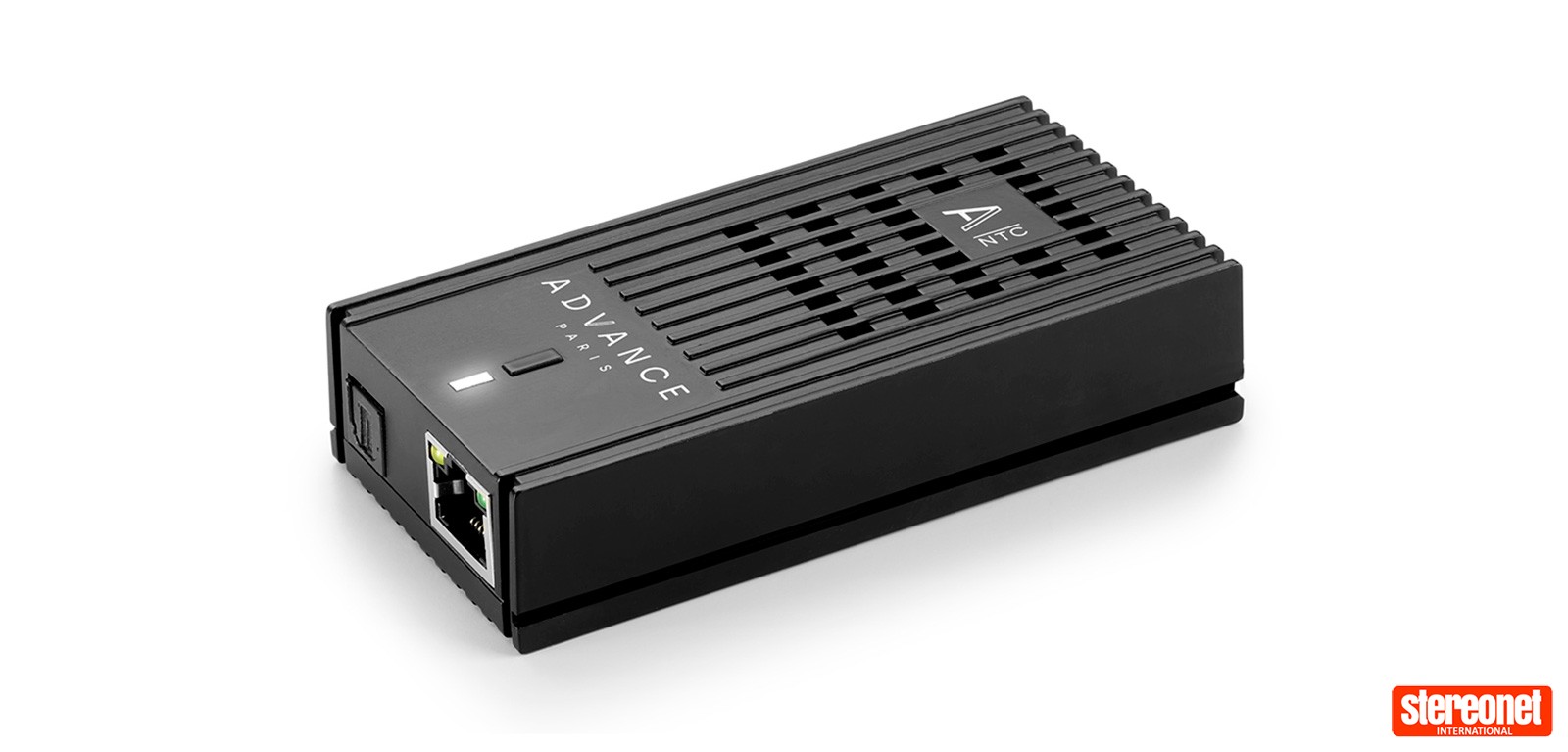
Streaming and wireless functionality are handled separately via optional modules. The A-NTC streaming cartridge can be installed internally or used as a standalone device via optical output, supporting services such as Spotify Connect, TIDAL Connect, Qobuz, AirPlay 2, Chromecast and Roon, with playback up to 24-bit/192kHz over Ethernet or Wi-Fi.
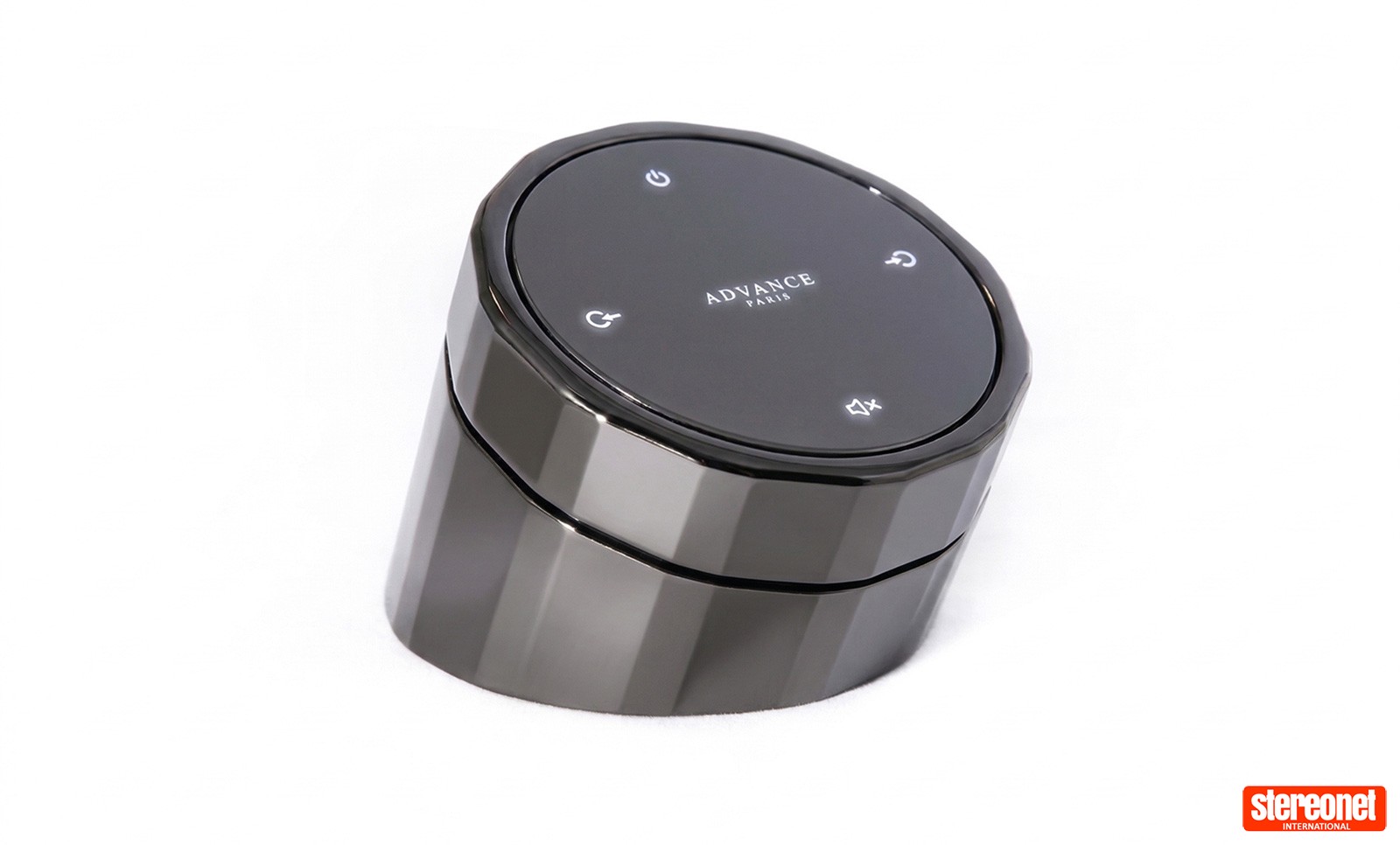
The A-BTC Bluetooth module adds bi-directional wireless connectivity, with support for aptX HD, Adaptive and Low Latency codecs for both transmission and reception. However LDAC and aptX Lossless are not supported. A third accessory, the A-RTR rotary controller, provides wireless control over volume, input selection and power. The tabletop unit is designed as an alternative to handset or app-based control, connecting via the Bluetooth module.
Advance Paris describes Nova as its most advanced range to date, combining hybrid amplification with DSP-based system management and modular expansion. The approach allows buyers to add or omit features such as streaming and Bluetooth, depending on system requirements.
The Nova range is expected to be available from May, with pricing starting at approximately US$6,499 for the A-i130 and US$7,999 for the A-i190. The modular components will be sold separately.
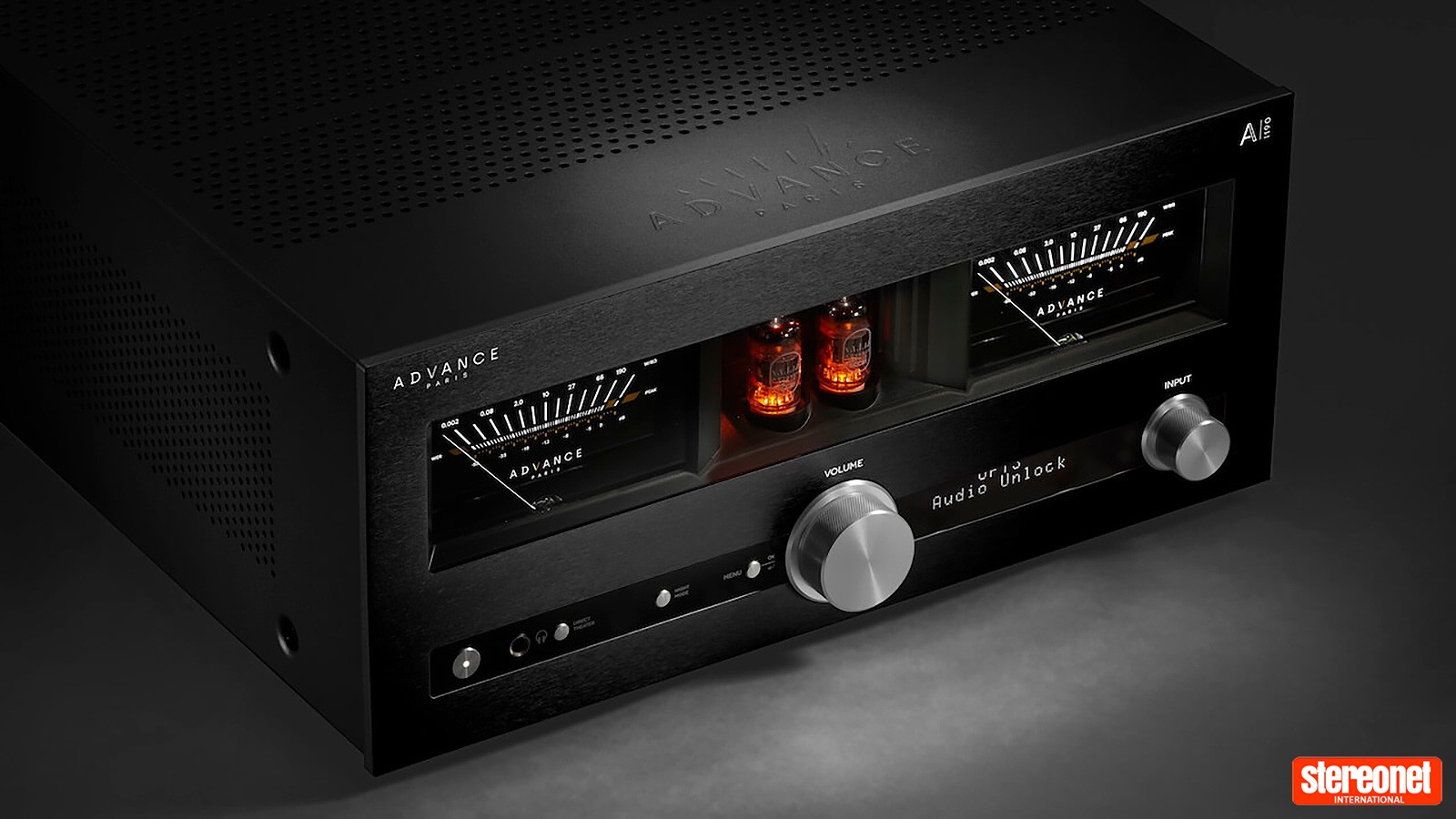
The range will make its public debut at AXPONA in Schaumburg, where Advance Paris is expected to demonstrate how the Nova platform builds on its existing hybrid designs while introducing a more configurable system architecture.
For more information visit Advance Paris
Gallery

Posted in: Hi-Fi
Join the Discussion
What do you think? Head to the forums and share your thoughts with 100,000+ other community members.
Go to Forums