At 300kg in its four-tier configuration, the Nu-Vista Ultra Equipment Rack is less a piece of furniture and more a structural statement about how seriously the company is taking mechanical stability in modern hi-fi systems.
That’s notable in itself. Specialist rack manufacturers have long treated isolation, mass and resonance control as critical parts of system performance. Still, it’s far less common to see electronics brands step directly into that space. Here, Musical Fidelity is effectively extending its system philosophy beyond the components and into what supports them.
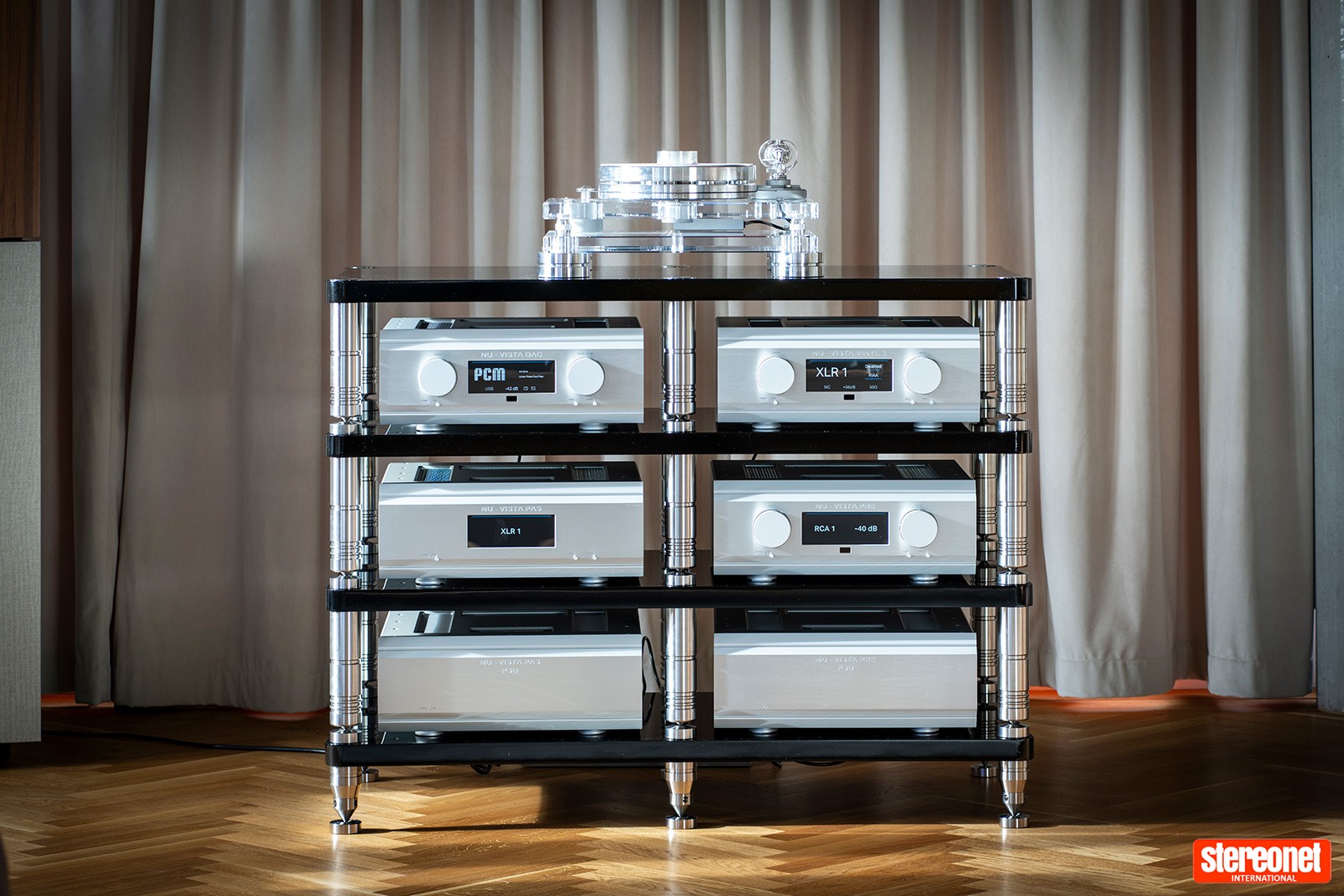
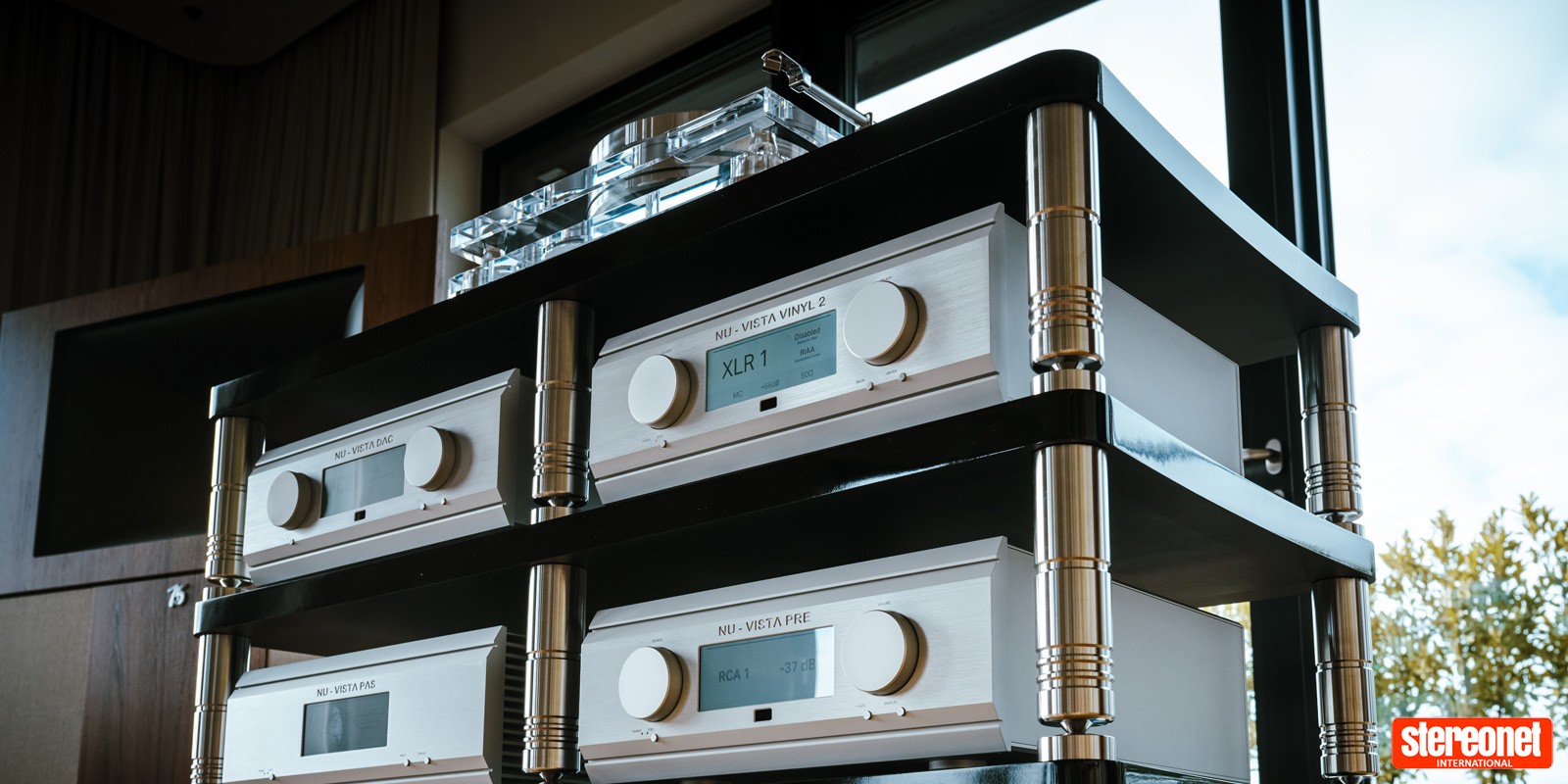
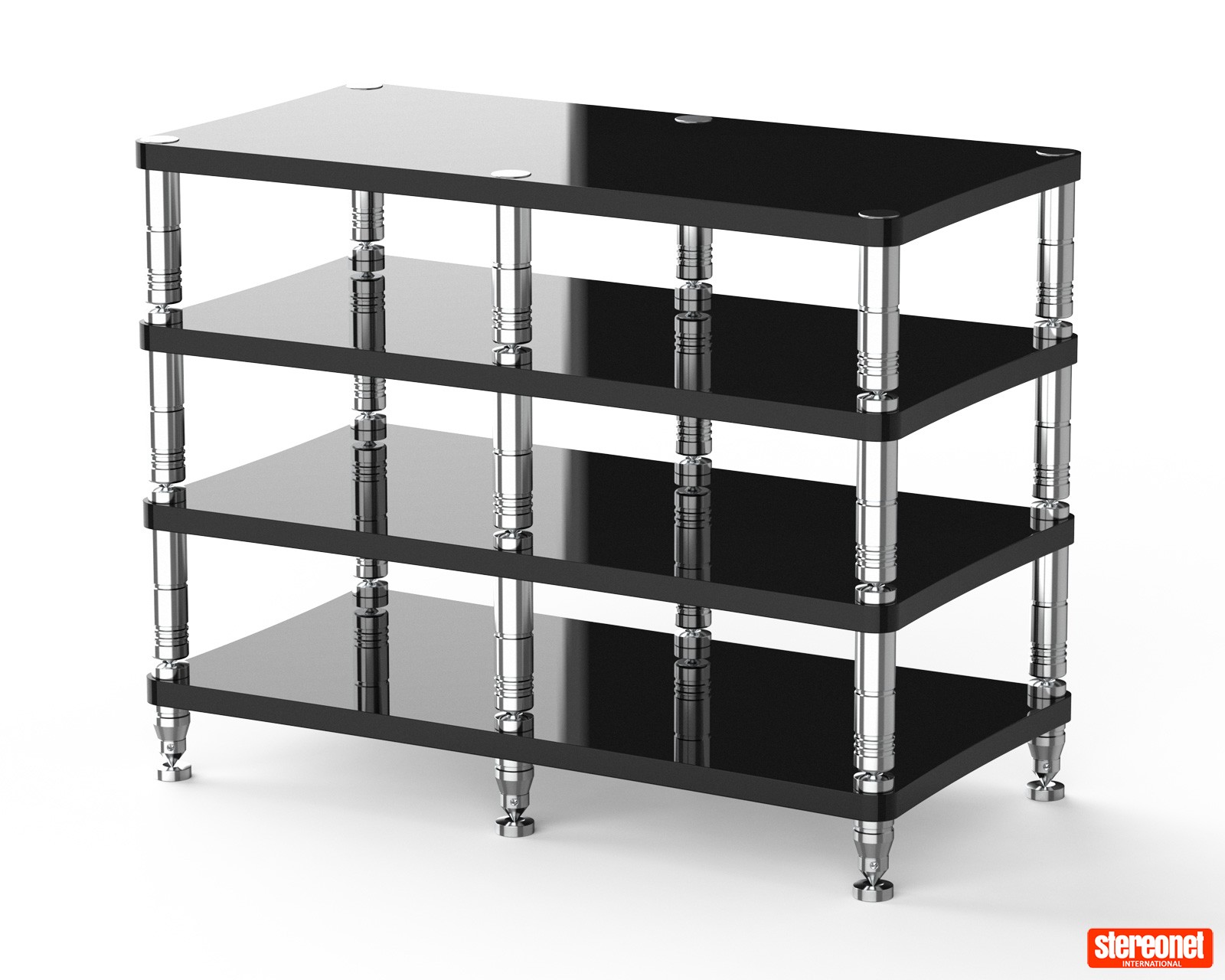
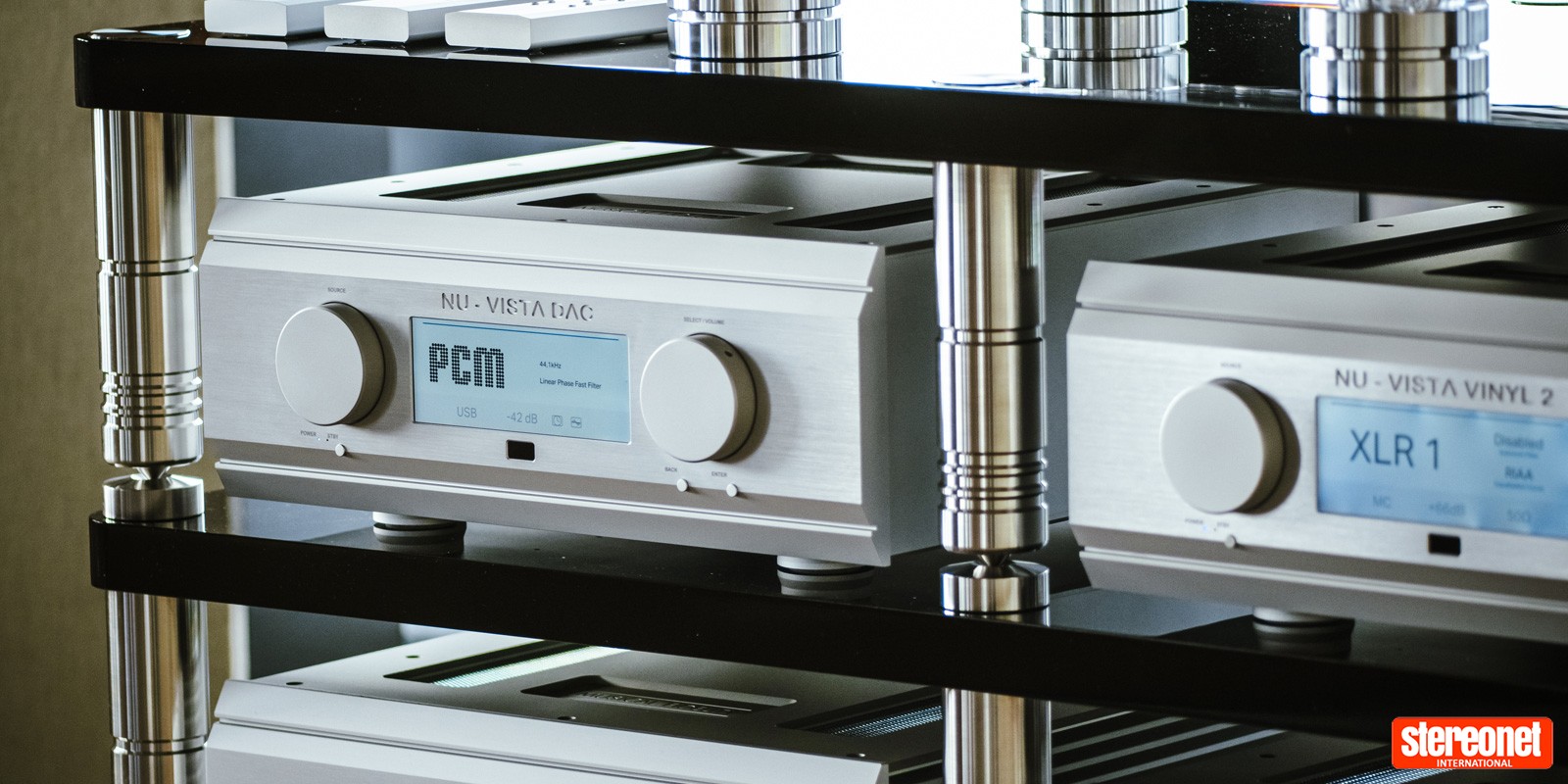
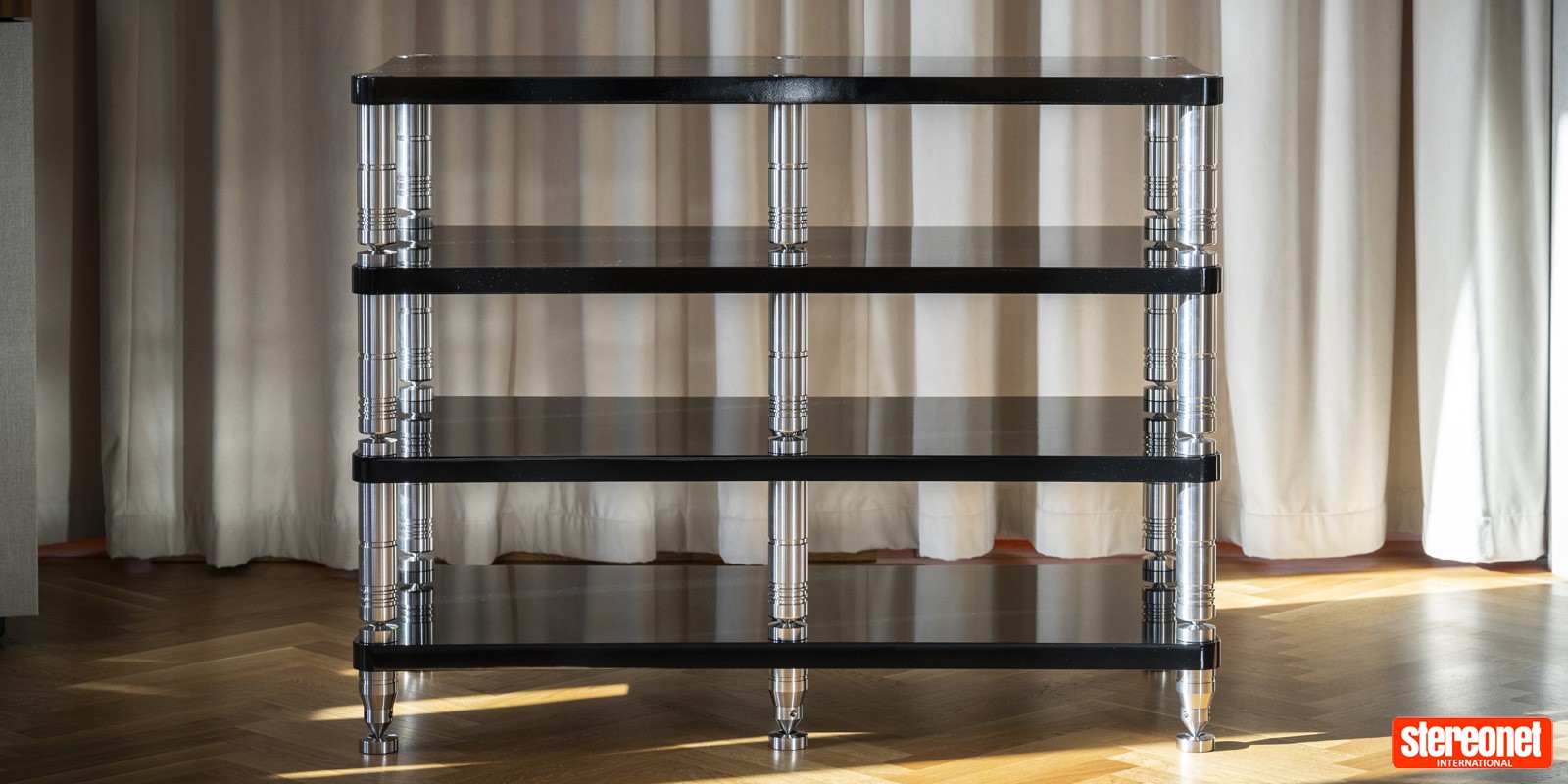
The approach is familiar, even if the source is not. Ultra-dense 40mm MDF shelves are paired with fully solid stainless-steel columns to reduce vibration and resonance throughout the structure. Conical feet on each shelf are intended to provide additional isolation from external disturbances.
Whether that translates into meaningful audible gains will depend on system context (and remains a point of ongoing debate) but it reflects a broader shift at the top end, where mechanical control is increasingly treated as part of the signal chain rather than an afterthought.
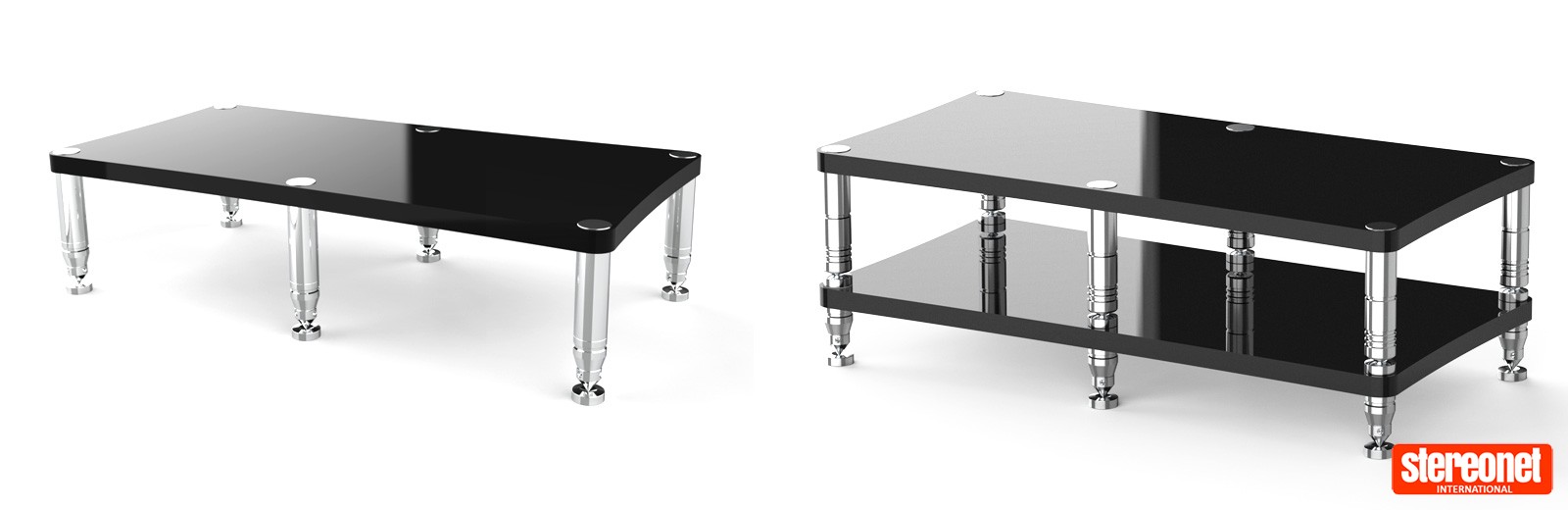
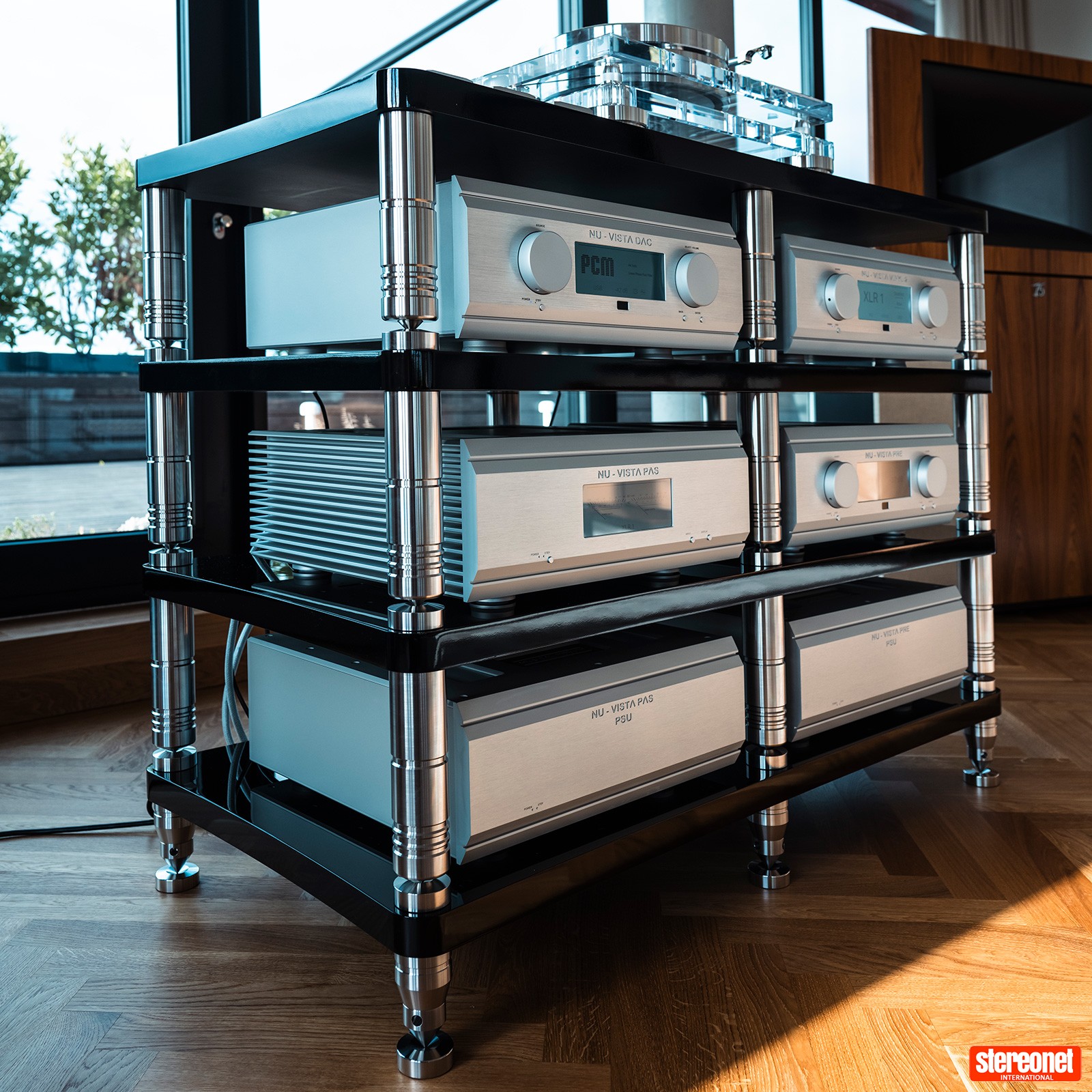
Physically, the rack is substantial. The standard configuration offers four shelf levels and six rack spaces, with each shelf capable of supporting up to 150kg. An open top platform measuring 1300 x 650mm is intended to accommodate turntables or larger components, while overall dimensions come in at 1300 x 1003 x 650mm.
Build quality is clearly central to the proposition. The shelves are hand-lacquered and polished to a piano black finish, while the stainless-steel columns are precision-machined using CNC processes. Musical Fidelity says all materials are sourced in Europe, and the rack is assembled by hand, positioning it alongside the kind of systems it’s intended to support.
The Nu-Vista Ultra Rack is also modular. Buyers can configure height, shelf count and spacing to suit their system, with additional shelves and extensions available over time. At this level, where systems rarely stand still, that kind of flexibility is arguably as important as outright performance.
Pricing reflects the ambition. The pre-configured four-shelf version is listed at €11,990, while entry-level configurations start from €3,847. Most real-world setups will land somewhere in between, with two- and three-shelf configurations ranging from €6,450 to €10,100 depending on specification. Individual components including shelves, columns and extension kits are also available separately. Pricing and availablity for other regions is yet to be confirmed.
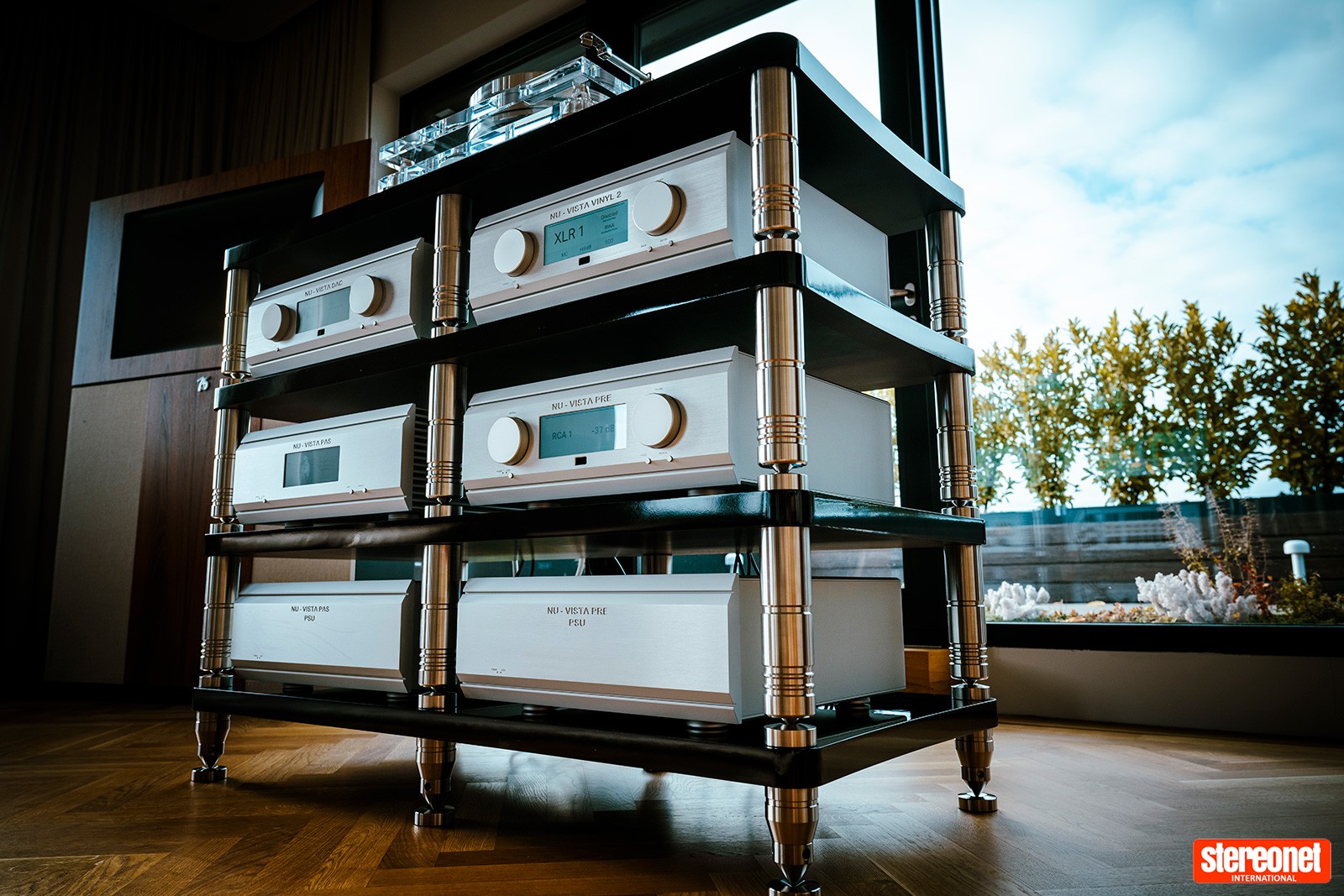
In practical terms, this is a product aimed squarely at the upper tier of the market, where system matching extends beyond electronics and into the physical environment itself. Whether that level of investment in a rack makes sense will depend on how far one believes mechanical isolation influences performance, but Musical Fidelity is clearly positioning it as part of the system not just something that holds it up.
For more information visit Musical Fidellity
Gallery


Posted in: Hi-Fi | StereoLUX!
Join the Discussion
What do you think? Head to the forums and share your thoughts with 100,000+ other community members.
Go to Forums